

You're probably in the same spot as many Filipino players right now. You've seen friends share screenshots of online wins, maybe you've noticed more casino ads on your phone, and you're curious. But one question keeps getting in the way. Is it safe to play online in the Philippines, and how do you tell a legal platform from a risky one?
That hesitation is healthy. In this space, excitement and confusion often show up together. Some sites look polished but operate in a grey or illegal market. Others are properly licensed, follow Philippine rules, and give players real protections. If you're going to spend your money and share your personal details, that difference matters more than any game lobby or welcome offer.
This guide is for people who want clear answers, not hype. It's built around the trust gap that many first-time players face: understanding which platforms are regulated by PAGCOR and which ones you should avoid. If you're still getting your bearings, it helps to start with a simple overview of how a local online casino platform is presented to new players, then compare that against the safety checks below.
Table of Contents
- Your Guide to the New Era of Online Gaming in the Philippines
- Exploring the Most Popular Philippines Online Casino Games
- PAGCOR Licensing The Only Guarantee of a Safe Game
- How to Choose a Reputable Online Casino Platform
- Setting Up Your Account and First Deposit Securely
- A Smart Player's Guide to Responsible Gaming
- Frequently Asked Questions About Online Casinos
Your Guide to the New Era of Online Gaming in the Philippines
A few years ago, many Filipino players still saw casinos as physical places. You dressed up, travelled, and played on-site. That picture has changed fast. Today, people can open a licensed gaming site on a mobile phone, browse slots, join live tables, or try e-bingo without leaving home.
That shift isn't just a trend people talk about casually. It has already changed the industry at a national level. For the first time in history, the electronic gaming sector surpassed brick-and-mortar casinos in revenue generation in the Philippines. In the first quarter of 2025, e-games and e-bingo generated ₱51.39 billion, which accounted for 49.36% of the local gaming industry's total Q1 gross gaming revenue of ₱104.12 billion, according to this Inquirer report on the revenue shift in Philippine gaming.
That tells you two things at once. First, online gaming is now a mainstream part of the Philippine market. Second, more players than ever need help figuring out which platforms deserve their trust.
Why this change feels exciting and risky at the same time
For a new player, online gaming often starts with convenience. You can explore game types at your own pace. You can play on mobile. You don't need to travel to a casino floor just to understand the basics.
But convenience also makes it easier to stumble onto the wrong site.
Practical rule: If a platform makes it easy to sign up but hard to verify who regulates it, slow down and check before depositing.
That's where many guides fail readers. They talk about games and bonuses first, then treat safety as a footnote. A better approach is the other way around. Start with legitimacy, then move to entertainment.
What a careful player should keep in mind
When people talk about Philippines online casino games, they often focus on what's fun. Slots. Baccarat. Live dealer rooms. E-bingo. Those matter, of course. But before any of that, ask yourself:
- Who regulates the site
- Whether the operator follows Philippine rules
- How your money and data are protected
- What happens if there's a dispute
Those questions turn curiosity into smart decision-making. If you keep them in view, online gaming becomes far less confusing and far more manageable.
Exploring the Most Popular Philippines Online Casino Games
Once you've narrowed your attention to legal, locally regulated platforms, the next question is simple. What can you play?
PAGCOR's Electronic Gaming Licensing Department, or EGLD, is the regulator that licenses and oversees local online operations for Traditional Bingo, Electronic Bingo (eBingo), Electronic Casino (eCasino) games, Sports Betting, Specialty Games, Online Poker, and Numeric Games, as shown on PAGCOR's Electronic Gaming Licensing Department page. That list gives Filipino players a clear idea of the game categories allowed for local play.
Slots for quick entertainment
Slots are usually the easiest entry point. Think of them as digital fruit machines, but with better graphics, more themes, and many different bonus mechanics. You tap, spin, and follow a simple pattern. That's why they appeal to both beginners and casual players.
Popular providers in the Philippine market often include names such as JILI, Fa Chai, and Pragmatic Play. Players usually choose slots based on mood rather than deep strategy. Some like colourful adventure themes. Others prefer classic reels or fast bonus rounds.
A good slots session suits players who want:
- Simple rules: You can understand the flow in minutes.
- Short sessions: Easy to play during a commute or break.
- Variety: One app can offer many different themes and styles.
Table games for players who like decisions
Table games attract a different type of player. These are the people who enjoy pace, routine, and a stronger sense of control. Baccarat is especially popular in the Philippines because the rules are easy to learn, even if betting patterns take time to understand well.
Some players also look for local favourites and card-based formats such as Pusoy-style options where available on licensed platforms. If you enjoy comparing outcomes, spotting patterns, or settling into a familiar format, table games often feel more engaging than slots.
For readers who want a feel for one of the most recognised card games online, this Super Six Baccarat page shows the kind of format many players look for when they want a classic casino experience on mobile.
Live casino and speciality formats
Live casino games sit between digital convenience and the feel of a physical casino. You play through a screen, but a real dealer manages the table. That makes the experience more social and often more reassuring for players who don't enjoy fully automated games.
Speciality games are a broader category. They can include quick-play formats, arcade-style options, and other titles that don't fit neatly into slots or traditional tables.
A useful way to choose is by asking what kind of session you want. Fast and casual, slow and strategic, or more interactive.
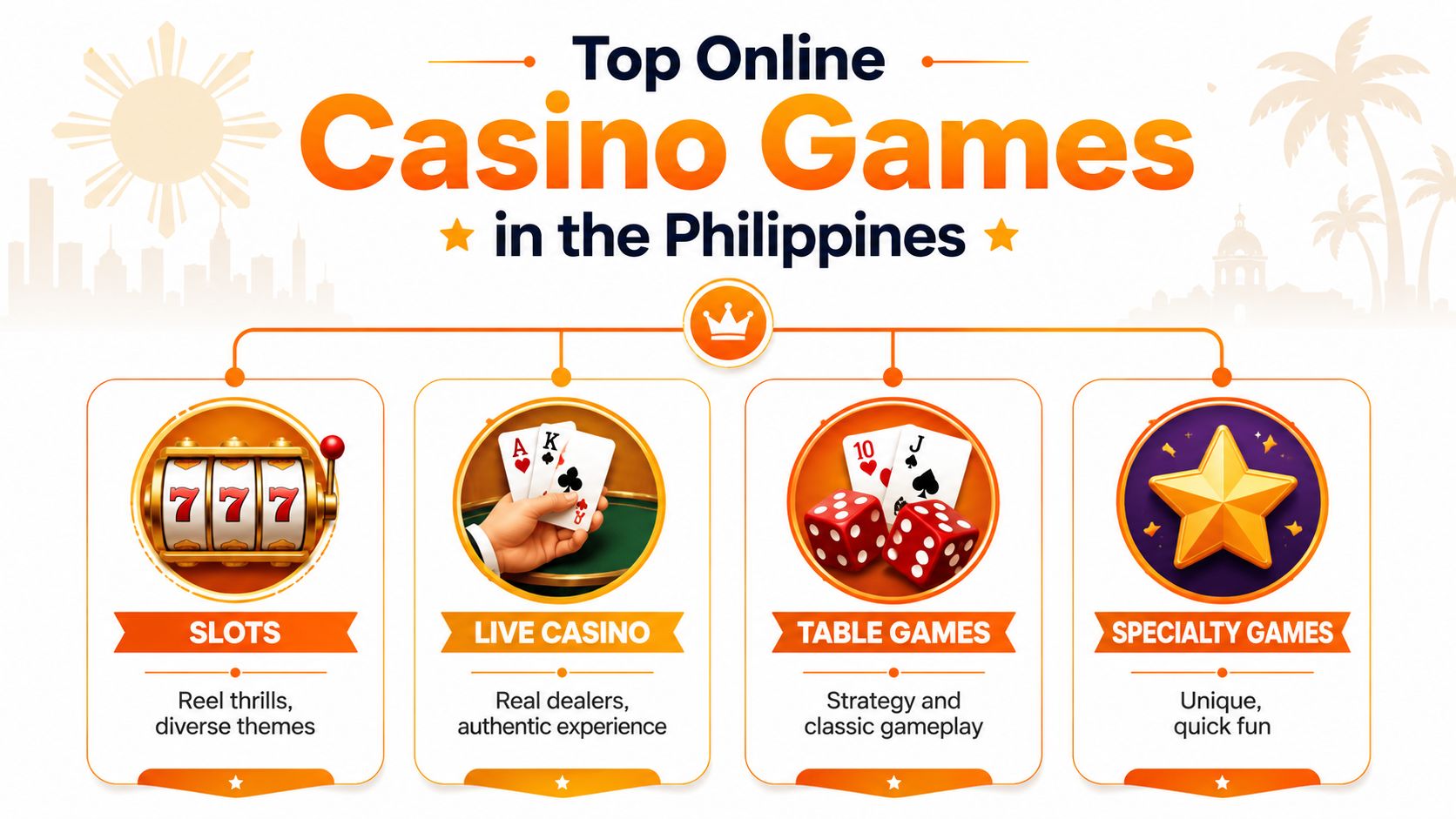
Here's a quick comparison:
| Game type | Best for | Typical feel |
|---|---|---|
| Slots | Beginners and casual players | Fast, visual, low learning curve |
| Table games | Players who like decisions | Structured and strategic |
| Live casino | Players who want realism | Social and immersive |
| Specialty games | Players who want variety | Quick and different |
PAGCOR Licensing The Only Guarantee of a Safe Game
Many sites can look convincing. Clean design, big banners, and attractive promos don't prove anything on their own. In the Philippines, the real dividing line is whether a platform is PAGCOR-licensed.
Why the trust gap exists
A lot of players still mix up legal local platforms with offshore operations. That confusion got worse because the market changed quickly and many people never received a plain-language explanation of what changed with regulation.
One of the clearest warnings comes from the gap between legal PAGCOR-regulated platforms and banned offshore operations. A 2024 national ban targeted offshore casinos linked to crime, and more than 6,000 gambling-related crimes were recorded by the Philippine National Police between 2020 and 2023, as reported in this Inquirer piece on the online gambling boom and its risks. For ordinary players, that creates a real trust problem. Many can't tell what is compliant and what isn't.
That's why “it looks professional” isn't enough.
What licensed platforms do differently
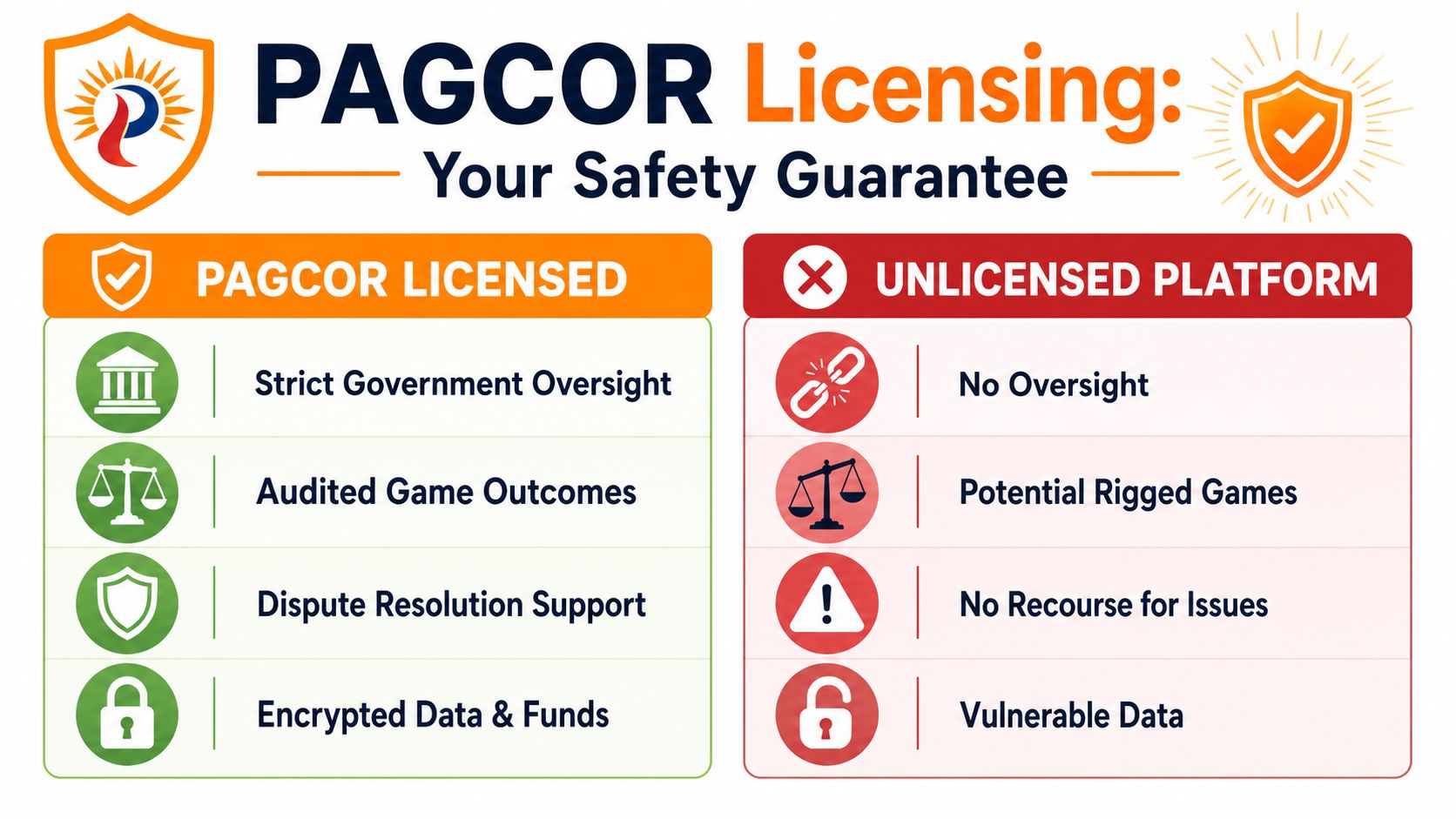
A PAGCOR-licensed operator has to work inside a Philippine regulatory framework. That matters because regulation creates accountability. If the site mishandles player funds, ignores compliance duties, or breaks operating rules, there's a regulator above it.
An unlicensed site doesn't give you that same footing. If withdrawals stall, if support disappears, or if the game environment feels questionable, your options shrink quickly.
Here's the practical difference:
- Licensed platform: You can verify its standing and expect compliance obligations.
- Unlicensed platform: You're largely relying on trust without a local enforcement structure.
- Licensed platform: Identity checks and responsible gaming tools are part of the system.
- Unlicensed platform: Fast sign-up may feel convenient, but it can mean weaker safeguards.
Choose the platform that asks you to verify more, not less. In regulated gaming, a bit of friction often means more protection.
If you want to compare how legal platforms present themselves against your own checklist, looking at a page such as Mega Panalo Casino can help you notice what information is visible and what still needs independent verification.
How to Choose a Reputable Online Casino Platform
A good online casino shouldn't force you to guess. The signs of a reputable operator are usually visible if you know where to look. What matters is checking them in the right order.
Start with licence and ownership signals
First, look for a clear statement that the platform is licensed for Philippine operations. Don't stop at a logo. Check whether the site explains its legal status in a way that makes sense.
Then look at how the platform presents itself overall. Is there a proper support section? Does it explain key policies? Are important terms easy to find, or buried?
A serious operator also has to meet financial and operational standards. For example, PAGCOR's Gaming Site Regulatory Manual for Electronic Games states that licensed operators must maintain a minimum original bank certification of exactly PhP 3,000,000.00 per game offering under the applicant company's name, as set out in the PAGCOR regulatory manual for electronic games. That doesn't tell you everything about day-to-day quality, but it does show that licensed operation isn't casual.
Check the security layer before you register
Security isn't just a technical issue for operators. It directly affects players. Licensed Philippine online casino operators must submit detailed technical system specifications to PAGCOR, including IT security frameworks and data encryption protocols such as TLS 1.3 with AES-256, as discussed in this legal commentary on PAGCOR-licensed online gambling.
For players, the takeaway is simple. A legitimate site should treat your identity documents, account activity, and payment details as sensitive information, not as an afterthought.
Check for these signs:
- Secure connection: The site should load through a secure browser connection.
- Clear verification process: It should explain how your documents are handled.
- Visible policies: Privacy, terms, and responsible gaming pages should be easy to find.
Look at support game providers and payments
The game lobby also tells you a lot. Reputable platforms usually work with recognised providers rather than unnamed or suspicious-looking software. If you see familiar brands such as JILI, Fa Chai, and Pragmatic Play, that's a stronger signal than a site filled with vague labels.
Customer support matters too. Send a question before depositing. If the answer is slow, evasive, or confusing, that's useful information.
This short video gives a feel for how players often assess a mobile-friendly casino experience before they commit:
If you prefer playing by app, a page like this PH 777 Casino app download guide is the kind of page you should read carefully. Don't just download and tap through. Check whether the app process feels transparent and whether the surrounding site gives you enough information to trust it.
A trustworthy casino platform doesn't rely on excitement alone. It earns confidence through visible rules, secure systems, and responsive support.
Setting Up Your Account and First Deposit Securely
The registration step is where many first-time players get nervous. You're asked for personal details, maybe a photo ID, and sometimes a selfie. That can feel intrusive if you don't know why it's required. On a legal platform, though, those checks are part of player protection.
Why KYC is a good sign
PAGCOR has implemented stricter Know Your Customer (KYC) rules requiring players to submit complete KYC documents, including a valid government-issued ID and a real-time selfie verification, before they can deposit funds, according to PAGCOR guidance discussed in this public video reference.
That means a licensed operator shouldn't let you bypass identity checks just because you want to deposit quickly. If a site lets you fund an account with little or no verification, that's not a convenience feature. It can be a warning sign.
A safe account setup usually looks like this:
- Create your account using accurate personal details.
- Submit your ID exactly as requested.
- Complete selfie verification in good lighting.
- Wait for confirmation before making your first deposit.
Safer ways to fund your account
In the Philippines, players often prefer familiar channels such as e-wallets and online banking. GCash, Maya, and bank transfer options are common choices on legitimate platforms because they fit how local users already manage payments.
Use a few simple habits to stay safe:
- Deposit only after verification: Don't rush the process.
- Use your own account: The payment source should match your identity.
- Keep screenshots: Save records of deposits and withdrawal requests.
- Check withdrawal rules early: Don't wait until after you win.
If you want to understand how withdrawals are typically presented to players, this Arena Plus withdrawal guide is a useful example of the sort of practical information you should compare against a platform's own process.
A calm, complete setup at the start saves headaches later. Most account problems don't begin with the games. They begin when a player skips verification, uses mismatched payment details, or deposits before reading the cash-out rules.
A Smart Player's Guide to Responsible Gaming
Responsible gaming isn't only for people in trouble. It's for people who want to keep gambling fun, controlled, and sustainable.
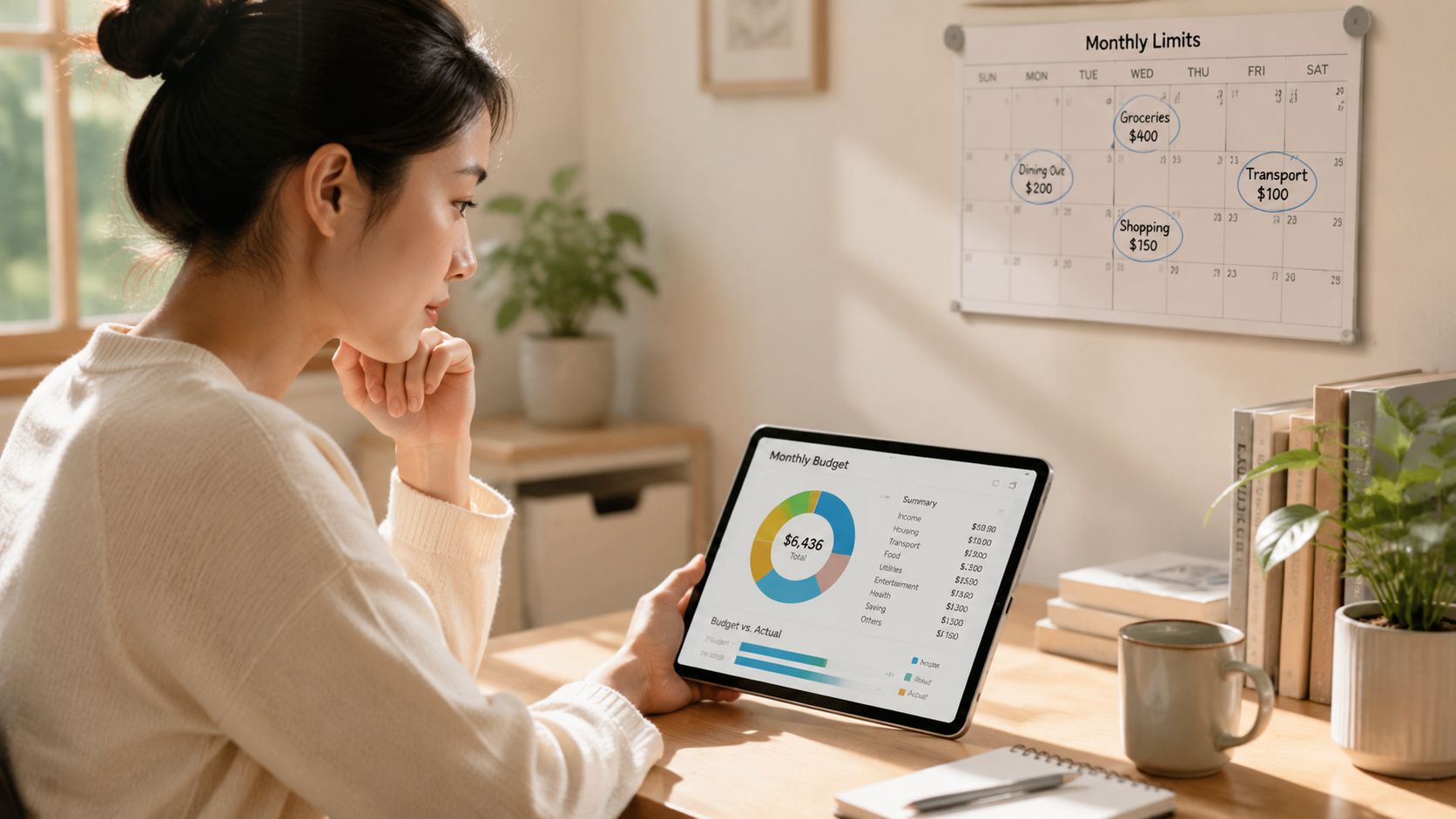
Set rules before you play
The smartest players make decisions before emotions get involved. They decide how much time they want to spend, what amount they're comfortable using for entertainment, and when to stop for the day.
A simple personal system works well:
- Set a play budget: Treat it like leisure spending, not income planning.
- Choose a session length: Don't rely on mood to tell you when to stop.
- Pause after wins and losses: Both can push people into bad decisions.
If you need gambling to fix a bad day or recover money, step away first.
Use formal protection tools when needed
Licensed operators in the Philippines must provide more than generic reminders. Under the PAGCOR Responsible Gaming Code of Practice, licensed operators must implement a mandatory self-exclusion programme that applies across all PAGCOR-licensed sites nationwide. If the requestor is a parent or child of the player, a birth certificate is required, as stated on PAGCOR's responsible gaming page.
That nationwide feature matters because it turns self-exclusion into a real safety tool, not a cosmetic option on one site. If someone needs stronger distance from gambling, the system can extend beyond a single brand.
Responsible gaming tools can help when:
- You're chasing losses
- You're hiding play from family
- You're spending more time than planned
- You feel anxious instead of entertained
Good players don't ignore those signs. They act early.
Frequently Asked Questions About Online Casinos
Are online casino games legal in the Philippines
They can be, but only when the operator is properly licensed for local operation under PAGCOR's framework. That's the first check to make before registration.
Can I play on my mobile phone
Yes, many Philippines online casino games are designed for mobile use. Players often access slots, baccarat, live tables, and e-bingo through mobile browsers or apps, depending on the platform.
Why do some sites ask for ID and a selfie before deposit
Because regulated platforms must follow KYC rules. Those checks help prevent fraud, identity misuse, and account abuse. It may feel inconvenient, but it's a positive sign.
What is a wagering requirement
It's a condition attached to some bonuses. In simple terms, it means you may need to meet certain play conditions before bonus-related winnings can be withdrawn. Always read bonus terms carefully before claiming any offer.
How do I know if a platform is trustworthy
Use a checklist. Verify its PAGCOR status, review its support and policy pages, check that it uses secure connections, look at the game providers, and understand deposit and withdrawal rules before you fund the account.
Are winnings guaranteed to be easy to withdraw
No platform should be judged by promises alone. Withdrawal speed and reliability depend on account verification, payment matching, and compliance checks. Read the cash-out rules before you play, not after.
If you want a place to start with a platform that presents itself around local compliance, recognised game providers, and a beginner-friendly welcome offer, take a careful look at Insta Play Online Casino. Review its terms, verify its licensing information, and use the safety checklist in this guide before you deposit. That way, you're not just choosing games. You're choosing a safer way to play.




Join thousands of gaming professionals receiving the latest iGaming news, regulatory updates, and market insights.
