

Securing a foothold in the Philippines can look deceptively simple from the outside, yet every operator and supplier that touches a licensed gaming stack eventually runs into the same reality, PAGCOR B2B accreditation is the gate that decides who gets to transact and who gets shut out. The current framework now spans game content providers, aggregators, payment gateways, marketing services, independent testing labs, and other third-party firms, and it became effective on 2 October 2025 under PAGCOR's updated accreditation regime, making it a jurisdictional control point rather than a paperwork exercise Chambers on PAGCOR's updated B2B accreditation framework. For suppliers, the practical question is no longer “Can a form be filed?”, it's “Can the business prove it can operate, comply, and withstand inspection?” That shift matters because PAGCOR's materials point to layered due diligence, on-site or system access inspections, and financial assurance at the provider or category level, including a PhP 1,000,000 performance cash deposit per accredited provider or service category Chambers on the accreditation framework's cash deposit requirement.
Table of Contents
- 1. Gaming License and Regulatory Authorization
- 2. Anti-Money Laundering AML and Know Your Customer KYC Compliance
- 2. Anti-Money Laundering AML and Know Your Customer KYC Compliance
- 4. Technical Security and Data Protection Compliance
- 4. Technical Security and Data Protection Compliance
- 5. Financial Reporting and Transparency Standards
- 6. Game Integrity and RTP Certification Requirements
- 7. Affiliate and Marketing Compliance Standards
- PAGCOR B2B Accreditation: 7-Point Compliance Comparison
- Accreditation as a Competitive Advantage
1. Gaming License and Regulatory Authorization
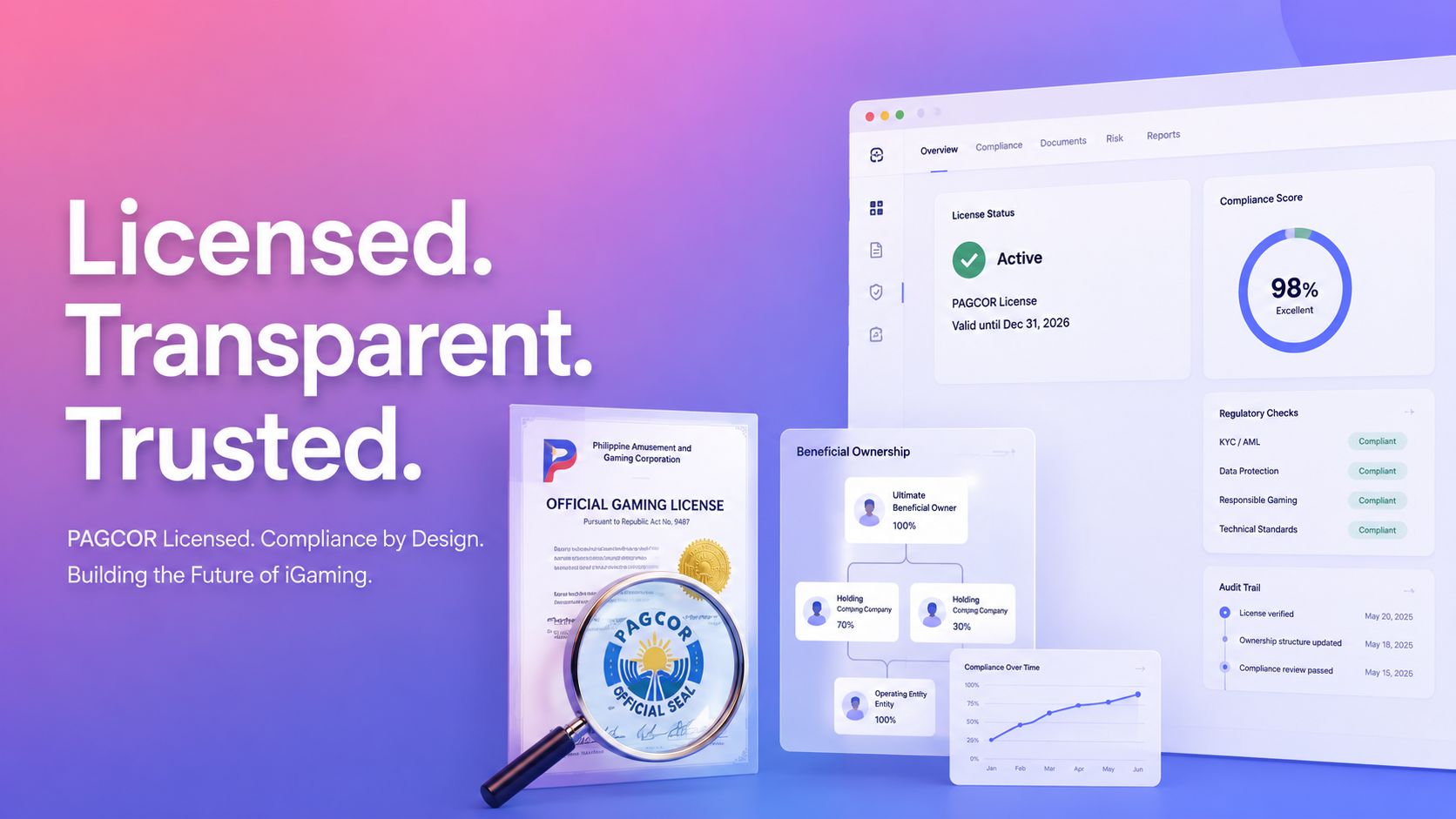
A supplier may have a polished platform, an active sales funnel, and a clean corporate structure, yet none of that matters if the operator on the other side of the agreement is not properly authorized. PAGCOR treats accreditation as a gate to regulated transacting, so the accreditation dossier centers on SEC registration, BIR registration, notarized applications, board-authorized representatives, probity checks, and inspection access PAGCOR supplier regulatory manual. The ownership layer also matters, because PAGCOR's B2B materials require SEC-stamped Articles of Incorporation and By-Laws together with a General Information Sheet with beneficial ownership disclosure PAGCOR B2B aggregator application requirements.
Why this check comes first
The commercial risk is immediate. If a supplier contracts with an operator whose licensing status is unclear, the supplier can face delay, remediation work, or a blocked rollout before the first transaction is processed. That is why many operators now begin due diligence with a verified review of the operator's legal footing and license status, then use a dedicated reference point such as this PAGCOR online casino guide to cross-check how the authorization framework is being interpreted in practice.
The practical test is whether the operator can show a valid regulatory basis for each activity it wants to conduct. In the Philippines, that means matching the service being offered with the specific approval or accreditation that covers it, instead of assuming a general gaming presence is enough. Suppliers that skip this check often discover the problem only after contracting, when the operator cannot complete onboarding, banking, or platform integration without first correcting its regulatory position.
What the authorization file should prove
A usable authorization file does more than confirm that incorporation documents exist. It shows that the counterparty is a real, traceable, and accountable business with the right internal approvals to enter into regulated gaming arrangements. For suppliers, that matters because PAGCOR's review is not limited to the corporate shell, it extends to the people signing, the source documents supporting ownership, and the ability of the business to undergo inspection or clarification requests.
The strongest files are internally consistent. The incorporation records, tax registrations, ownership disclosures, and board resolutions should point to the same entity and the same authorized signatories. If those records do not align, the issue is not cosmetic, it creates friction in accreditation review, slows contract execution, and raises questions about whether the supplier has enough control over its compliance process.
Common failure points operators and suppliers should expect
The most common breakdown is incomplete ownership disclosure. Where the beneficial ownership trail is unclear, the review process tends to pause until the corporate record is cleaned up and the missing support is produced. Another recurring issue is treating notarization, board authority, and registration evidence as separate admin tasks rather than as linked proof that the business can legally act in the market.
A second failure point is overreliance on commercial reputation. A known brand name does not replace the need for current authorization documents, and it does not help if the operating entity has changed, the service scope has expanded, or the registration record no longer reflects the actual business being proposed. PAGCOR's framework is designed to test the current legal status of the applicant, not the market familiarity of the group behind it.
How to make the authorization review work in practice
The most efficient approach is to build the authorization package as a living control file. Keep the SEC records, tax documents, board approvals, and ownership disclosures in one reviewed set, then reconcile them before any submission or commercial onboarding. That reduces the chance of contradictory filings and makes it easier to answer follow-up questions without rebuilding the file from scratch.
For suppliers, the operational value is straightforward. A clean authorization review shortens due diligence, lowers the risk of onboarding disputes, and gives the commercial team a defensible basis for saying the operator is fit for regulated contracting. For operators, it also signals to partners that compliance is managed as part of the business model, not added after revenue has already started to move.
2. Anti-Money Laundering AML and Know Your Customer KYC Compliance
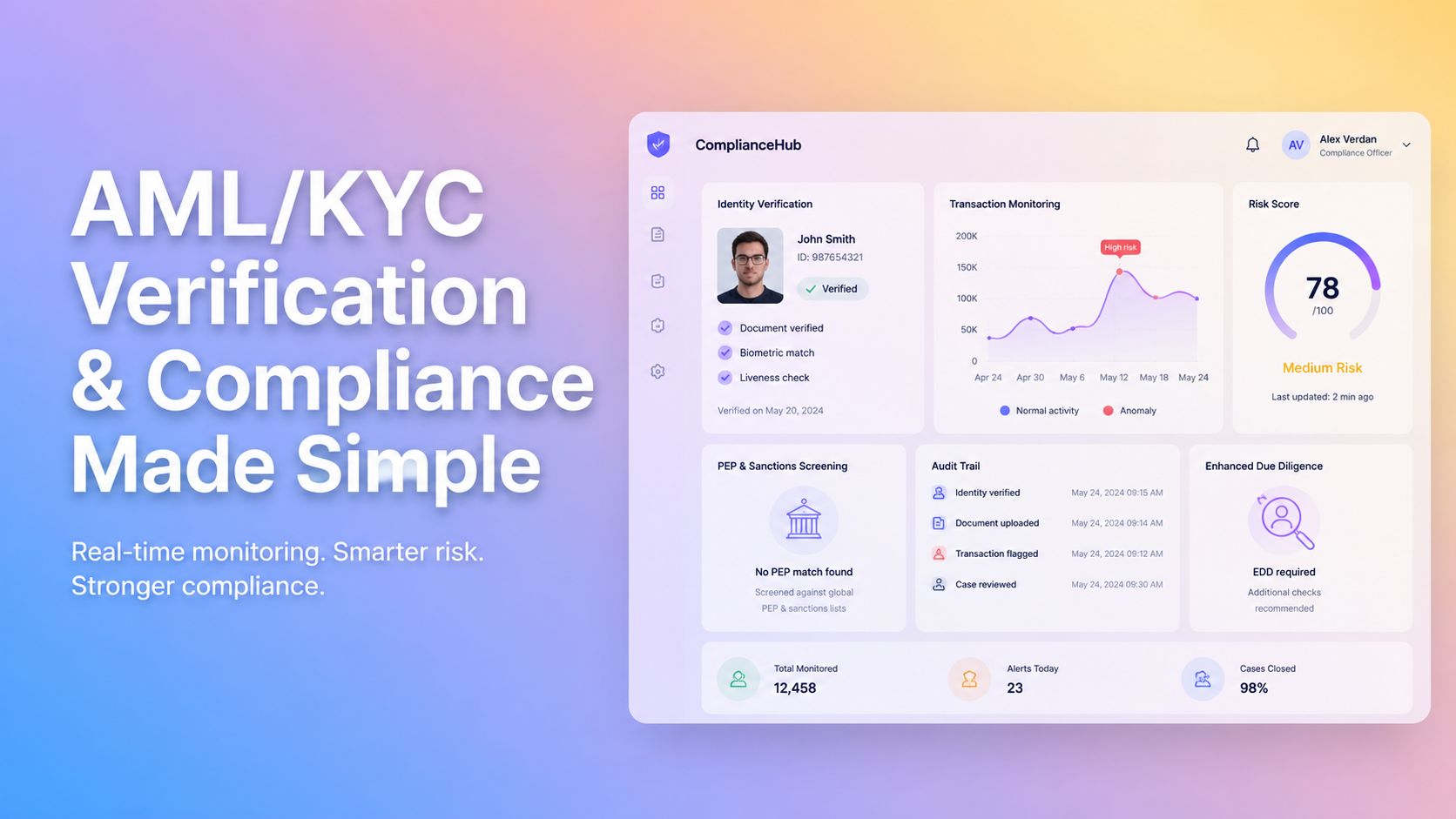
A PAGCOR B2B review does not end at corporate formation, because regulated gaming suppliers are expected to work with operators that can identify players, trace funds, and document unusual activity. The accreditation file therefore has to show how the operator's AML and KYC controls function in practice, not only on paper, and the wider approval process still depends on the same control logic covered in the PAGCOR supplier regulatory manual, where probity checks, inspections, and operational evidence support the review. For suppliers, the question is simple. Can the partner demonstrate a working compliance process, or only a written policy?
What good looks like in practice
An effective AML and KYC setup shows up in the workflow. Customer onboarding captures identity data at the start, higher-risk accounts receive enhanced review, and transaction monitoring flags activity that needs escalation or rejection. That creates a record that auditors and counterparties can follow from intake to final decision.
The strongest files also show how exceptions are handled. If a customer is delayed, screened again, or escalated for manual review, the operator should be able to explain why the step was taken and who approved it. A file that can account for exceptions is easier to defend than one that only shows the final status.
For third-party providers, the commercial impact is direct. A payment gateway, platform supplier, or aggregator that asks for AML evidence early can reduce onboarding disputes later, because the operator knows the verification standard before integration starts. Some teams build this into a controlled workflow with internal checklists and verification tools, including a go-perya registration workflow reference that helps structure the due diligence steps without treating them as a one-time upload.
A clean AML file is usually the one that can explain every exception.
That also means the controls have to be testable. If a supplier asks whether the operator can produce identity logs, monitoring outputs, and escalation records on demand, the answer should come from the system, not from memory. The checklist is doing more than screening applicants, it is testing whether the partner can support a regulated stack without creating blind spots in the payment and customer review chain.
For compliance teams comparing approval paths and control expectations, the broader licensing context is also outlined in the Philippines market guide on PAGCOR licensing for online casino operations, which helps separate the licensing status of the operator from the evidence expected under B2B accreditation.
2. Anti-Money Laundering AML and Know Your Customer KYC Compliance
A PAGCOR B2B review can stall even when the incorporation file looks clean, because the regulator's control logic also looks at how a partner detects suspicious funds, identifies customers correctly, and records exceptions. The source materials frame the checklist around layered due diligence and operational control milestones, including probity checks, inspections, and evidence that the applicant's systems can support regulated gaming operations Chambers on PAGCOR's accreditation requirements. For supplier due diligence, the practical test is whether the operator has a documented AML and KYC framework, not just a policy page.
What good looks like in practice
Operators that treat AML seriously usually make the controls visible in the workflow. Customer onboarding captures identity data early, higher-risk customers receive enhanced review, and transaction monitoring is set up to flag activity that needs escalation. On the supplier side, that translates into a simple question, can the operator show the audit trail behind each decision, or only the final result?
A clean AML file is usually the one that can explain every exception.
Third-party service providers face the same standard. When a payment gateway or platform supplier joins a regulated stack, it must verify that the operator partner maintains written procedures, logs suspicious activity, and can produce reporting records without delay. The commercial effect is direct, because weak AML controls do not just create regulatory exposure, they make every integrated partner look less bankable.
Teams often reduce friction by assigning AML ownership before launch. Compliance, operations, and product should each know who updates risk rules, who approves escalations, and who keeps the evidence pack current. Providers that serve multiple operators should also standardize onboarding questionnaires, because one-off files are harder to defend during review.
A practical operator workflow can include third-party verification tools that streamline onboarding while preserving audit trails, and that same discipline should extend to staff awareness of fraud and impersonation risks. A good reference point for avoiding common account-security mistakes is this guide to phishing scams and how to avoid them. The important part is not the tool name, it is whether the operator can show a documented process that survives regulator scrutiny and vendor due diligence.
4. Technical Security and Data Protection Compliance
A PAGCOR review becomes more demanding once the file moves from policy statements to live systems. The checklist points to independent testing evidence, on-site or system access for inspection and data extraction, and, in some provider materials, pre-operational inspection before a Notice to Commence Operations is issued. That means technical compliance is judged in the operating environment, not on a summary page.
Evidence beats claims
A supplier can say it uses secure hosting or strong encryption, but accreditation reviewers still need to see who configured the controls, how often they are reviewed, and how failures are handled. That is why technical packs usually include architecture diagrams, security assessments, and independent testing output. For providers outside the Philippines, the burden is even higher, because the regulator is looking for a verifiable operating footprint, not a remote assurance.
The strongest compliance teams make inspection straightforward. They keep incident response playbooks current, log access to sensitive systems, and assign one owner to remediation tracking. They also test vendor dependencies, because a weak payment processor or storage stack can undermine the entire application file.
Phishing controls belong in the same evidence pack. Staff awareness, account access discipline, and escalation steps should be documented, and operators can support that training with practical guidance such as this guide to phishing scams and how to avoid them. The point is not whether a tool sounds secure. The point is whether the operator can show a process that holds up under regulator scrutiny and vendor due diligence.
4. Technical Security and Data Protection Compliance
A supplier may have clean paperwork and still fail PAGCOR review if the operating environment cannot withstand inspection. The source materials emphasize independent testing evidence, on-site or system access for inspection and data extraction, and, in some provider materials, pre-operational inspection before a Notice to Commence Operations is issued. Security is therefore reviewed as a working control set, not as a statement in the application file.
Evidence beats claims
A supplier that says it uses secure hosting or strong encryption still has to show who configured the controls, how often they are reviewed, and what happens when something breaks. That is why technical packs often include architecture diagrams, security assessments, and independent testing output. If the provider sits outside the Philippines, the burden rises further, because the regulator is looking for a concrete operating footprint, not a remote promise.
The cleanest compliance teams make this easy to inspect. They keep incident response playbooks current, log access to sensitive systems, and assign one person to own remediation tracking. They also pressure-test vendor dependencies, because a weak payment processor or storage stack can undermine the whole accreditation file.
Credentials and admin access are common attack paths, so phishing controls belong in the same evidence pack. Staff training should show how phishing attempts are reported, how access requests are verified, and how suspicious messages are escalated. A practical reference for internal awareness programs is the market guide on how to avoid phishing scams in gaming operations.
Technical readiness usually breaks down in three places
- Access control evidence, because reviewers want to see who can reach production systems and why.
- Hosting and infrastructure proof, because the deployment model must match the regulated service scope.
- Incident handling records, because a policy without drill history is hard to defend.
The strongest B2B suppliers treat security review as a launch prerequisite, not a box-tick after sales starts. That approach matters because PAGCOR's framework is moving toward live operational oversight, where systems can be checked, tested, and challenged before authorization is granted, as noted in Respicio on PAGCOR B2B supplier requirements.
5. Financial Reporting and Transparency Standards
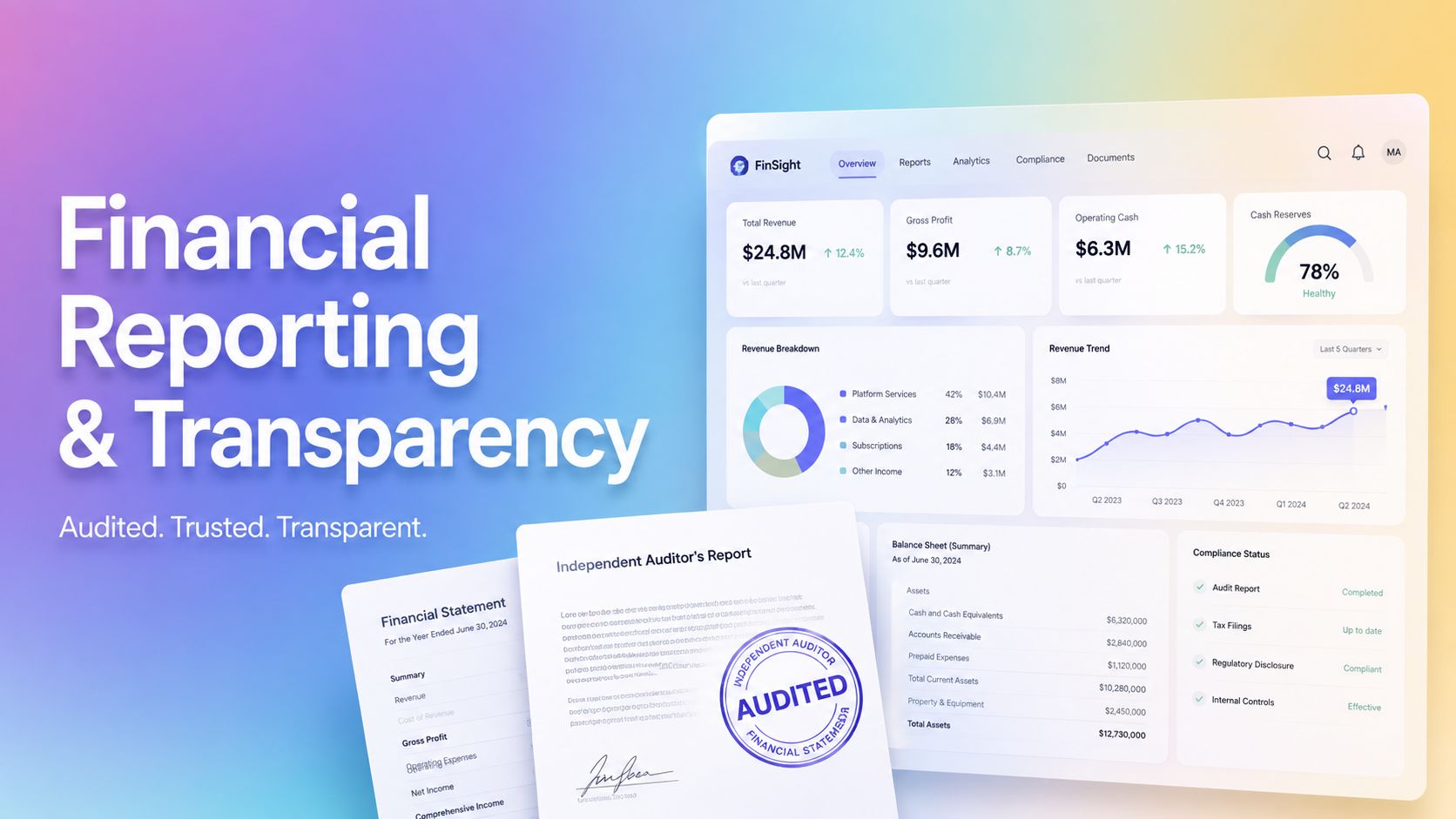
A regulator that asks for a cash deposit is already signaling that financial trust matters, and PAGCOR extends that logic into the company's books, tax posture, and reporting discipline. The electronic games manual requires a documentary pack that includes the application form, PAGCOR Certificate of Enrollment, company profile, product list, SEC or DTI registration, mayor's permit, BIR registration, and certified income tax returns plus audited financial statements for the previous year or the preceding two years PAGCOR electronic games regulatory manual. That requirement reaches beyond gaming administration. It is a full test of whether the business can prove it is orderly, tax-compliant, and capable of sustaining regulated operations.
Why finance belongs in the license file
For operators, financial reporting is not only about satisfying the tax office. It shows whether the business can handle player balances, vendor payments, and recurring compliance costs without improvisation. For suppliers, the same evidence matters because a financially unstable operator creates counterparty risk, especially where accreditation deposits and periodic review obligations apply.
The strongest applications usually come from teams that treat accounting and compliance as one evidence chain. Cloud accounting, monthly reconciliation, and clear separation between player funds and operating revenue make the audit trail easier to read. If a CFO or controller is absent from the process, reviewer questions tend to slow down the file at the exact point where the facts should already be aligned.
Financial transparency is a regulatory language, not a branding exercise.
The practical test is straightforward. A supplier that supports a live operator should be able to explain how financial statements reconcile with platform activity, tax filings, and bank records. If those records do not line up cleanly, the review becomes slower and more defensive, because the mismatch suggests weak internal controls rather than a simple documentation gap.
The market guide on online casino Philippines GCash withdrawal operations is useful context for teams that need to tighten payment flow discipline. Withdrawal hygiene is part of the broader financial credibility story. In regulated gaming, clean money movement is part of compliance, not just user experience.
6. Game Integrity and RTP Certification Requirements
A game can pass commercial review and still fail regulatory review if the operator cannot show how fairness was tested, documented, and controlled. The PAGCOR B2B accreditation checklist treats game integrity as a separate compliance layer, not just a product feature. PAGCOR's offshore and provider guidance requires independent laboratory certification showing that games or systems were tested for fairness and security, alongside inspection rights before operations begin PAGCOR offshore and provider requirements. Earlier gaming-system accreditation guidance also referred to a stricter structure, including a PhP 2.5 million non-refundable accreditation fee, a minimum PhP 25 million bank certification, and a requirement for gaming servers to be hosted in a Tier 1 data center in the Philippines or via cloud computing.
Why certification changes the supplier equation
Once RNG behavior, payout logic, and game configuration are inside the review, the supplier has to prove that the product is mathematically consistent and operationally traceable. Independent testing labs like iTech Labs, GLI, and BMM Testlabs are often mentioned in industry discussions for this work, but the certification label is only part of the control story. The operator still needs a current certification record, a clear mapping from each title to its approval status, and a process for updating that record when the game library changes.
The practical test is version control. New content should not go live until the certificate is logged, the game is matched to the approved library, and the compliance team knows where the supporting evidence sits. If those steps are skipped, even a minor shift in game performance can turn into a review issue, because the operator has no clean record showing whether the change was expected or accidental.
That same logic applies to commercial planning. A team that adds content without confirming approval status may create a compliance gap that is harder to fix after launch than before it.
Strong game-control habits
- Keep a master certification file, with every approved title tied to its testing evidence.
- Track library changes tightly, because unrecorded content swaps create avoidable review risk.
- Review performance anomalies, then record whether the issue came from configuration, timing, or player activity.
- Limit supplier drift, because a game sourced from the wrong provider can create an approval problem quickly.
A practical example is a casino operator that launches certified titles from recognized studios, then refreshes the library only after the compliance team confirms the new build is in scope. That discipline keeps content launches from turning into accreditation gaps.
Marketing teams face a similar control problem, and the cost of weak process often shows up in acquisition spend. A clear breakdown of user acquisition cost discipline helps explain why undocumented promotional activity becomes expensive fast. In regulated gaming, the issue is not only how much traffic is bought, but whether each promotion can be tied back to an approved and reviewable record.
7. Affiliate and Marketing Compliance Standards
Affiliate review is one of the easiest places to miss risk because commercial teams often treat it as growth work while regulators treat it as controlled promotion. PAGCOR's framework covers marketing and promotional services among the accredited B2B categories, which means the people buying traffic, writing offers, and placing ads sit inside the compliance perimeter Chambers on PAGCOR's updated B2B accreditation framework. The practical implication is simple, affiliate activity has to be documented, monitored, and aligned with the operator's overall compliance posture.
Marketing controls have to survive partner behavior
A compliant internal team can still fail if an affiliate uses misleading claims, hides material terms, or promotes to minors. That is why affiliate onboarding needs a written policy, a review gate, and a record of what each partner is allowed to say. The operator should also keep campaign records, because marketing spend without traceability becomes difficult to defend in an audit.
The strongest setups use tiered partner review. High-volume affiliates receive more scrutiny, suspicious creatives are pulled faster, and the compliance team can prove who approved what. This is especially important where acquisition channels move quickly and campaign assets are reused across markets.
The commercial logic is not subtle. If an operator spends aggressively on acquisition, but the affiliate program is poorly governed, the brand can pay twice, first in media cost and again in remediation. That makes affiliate governance a margin issue as much as a regulatory one.
For teams managing player acquisition economics, the guide on user acquisition cost in Philippine iGaming adds useful context for how acquisition budgets behave when compliance scrutiny tightens. The strategic point is that marketing quality and regulatory quality are the same conversation in a licensed environment.
PAGCOR B2B Accreditation: 7-Point Compliance Comparison
| Item | Implementation complexity | Resource requirements | Expected outcomes | Ideal use cases | Key advantages |
|---|---|---|---|---|---|
| Gaming License and Regulatory Authorization | High, lengthy vetting and legal processes | Legal counsel, capital reserves, governance documentation, ownership transparency | Legal authority to operate, access to PAGCOR-accredited networks and regulated banking | New entrants to the Philippine market; operators seeking formal B2B partnerships | Regulatory legitimacy, reduced legal/reputational risk, market access |
| AML/KYC Compliance | High, risk-based programs and real-time monitoring | Transaction-monitoring systems, KYC providers, trained compliance staff, audit trails | Reduced money-laundering risk, maintained banking relationships, regulatory reporting capability | High-volume operators, cross-border payment flows, regulated payment onboarding | Prevents financial crime, preserves banking and B2B access |
| Responsible Gambling & Player Protection | Medium, policy, tooling and staff training | RG tools (limits, self-exclusion), analytics, counseling partnerships, training programs | Reduced player harm, regulatory compliance, improved public trust | Consumer-facing platforms and markets emphasizing player safety | Ethical governance, sustainable player value, regulatory goodwill |
| Technical Security & Data Protection | High, advanced cybersecurity and continuous testing | Security stack (encryption, MFA, IDS), penetration testing, security engineers, cyber insurance | Protected player data, reduced fraud and breaches, trusted payment processing | Platforms handling payments/player PII and enterprise B2B integrations | Prevents breaches, maintains processor/bank relationships, reduces liability |
| Financial Reporting & Transparency | Medium, recurring reporting and independent audits | Cloud accounting, external auditors, finance staff, reconciliations | Verified solvency, tax compliance, investor and regulator confidence | Scaling operators, those seeking institutional investment or audits | Financial credibility, early fraud detection, access to capital |
| Game Integrity & RTP Certification | Medium, per-game testing and ongoing audits | Certification fees, independent labs, game audit logs, testing pipelines | Verified fairness, fewer disputes, compliance with gaming standards | Operators launching new games or sourcing third-party content | Assures mathematical fairness, builds player trust, regulatory compliance |
| Affiliate & Marketing Compliance Standards | Medium, policy enforcement and monitoring | Affiliate vetting tools, compliance team, tracking/UTM systems, documentation | Compliant promotions, reduced fines, controlled acquisition quality | Operators using affiliate networks or heavy marketing activity | Protects brand reputation, reduces regulatory risk, improves transparency |
Accreditation as a Competitive Advantage
PAGCOR B2B accreditation is not just a permission slip. It is a stress test of whether a supplier or operator can survive a regulated market where legal authority, documentation, system readiness, financial control, and partner governance all have to line up at the same time. The firms that treat the PAGCOR B2B accreditation checklist as an operating model usually move faster through review, because they reduce the back-and-forth that comes from missing ownership details, weak audit trails, or unclear technical evidence.
The biggest strategic mistake is assuming the process is mostly administrative. PAGCOR's current framework suggests the opposite, because it combines corporate registration, tax identity, due diligence, inspections, technical validation, and financial assurance in one continuous review path Supplier regulatory manual Chambers on the updated framework. That means the most competitive teams are not only prepared on paper, they are operationally ready to be examined in real time.
The commercial payoff is tangible. Operators and suppliers that pass this gate can build deeper partner trust, reduce onboarding friction, and present themselves as lower-risk counterparties in a market that now expects live oversight rather than loose promises. The same discipline also makes renewals cleaner, because the evidence trail is already in place and the compliance calendar is already running.
For decision-makers entering or expanding in the Philippines, the right next step is to build the checklist into project planning, not legal cleanup. Legal, finance, product, security, and commercial teams should each own one part of the evidence pack, then review it together before any regulated transacting begins. That approach saves time, protects capital, and makes the eventual application far stronger.
Operators and suppliers that want to compete in the Philippine market should use this checklist as a launch baseline, then keep it live through every vendor onboarding, system change, and renewal cycle. The smartest move is to treat accreditation as an asset, not a hurdle, and to start aligning documentation, controls, and partner governance before the next commercial deadline arrives.


Join thousands of gaming professionals receiving the latest iGaming news, regulatory updates, and market insights.
