
A country-specific licence is only the visible part of an online casino market entry plan. In Europe, operators can't rely on a single EU-wide authorisation. Each target market may impose its own licence, tax, technical controls, local infrastructure, and player-protection requirements, while the global environment includes roughly 70 to 80 jurisdictions licensing some form of online gambling according to a 2026 regulatory comparison.
That makes online casino license requirements by country a commercial question as much as a legal one. A licence can provide market access, but it may also require a local office, resident personnel, dedicated banking, certified software, national self-exclusion tools, and continuing regulatory reporting. The application fee is often the easiest cost to identify. The harder task is building an operation that can keep the licence valid.
Table of Contents
- Why Online Casino Licensing Is Country-Specific in 2026
- The Core Elements of Every Licensing Framework
- United Kingdom Gambling Commission Requirements
- Malta Gaming Authority Licensing and Operational Setup
- Sweden Spelinspektionen Licensing and Software Permits
- Spain DGOJ Dual Licence Structure Explained
- Netherlands Kansspelautoriteit and CRUKS Integration
- Curaçao LOK Regime and the New Supplier Licence
- Emerging Markets Reshaping the Licensing Map
- Compliance Burden Beyond the Headline Fee
- Quick-Reference Comparison and Selection Guidance
Why Online Casino Licensing Is Country-Specific in 2026
Europe has no single online casino licence. Operators need national approval in each market they target because gambling regulation remains country-specific rather than EU-wide, as explained in this overview of European gambling regulation. A Malta Gaming Authority B2C licence does not authorise service to players in the United Kingdom, Sweden, Italy, Germany, or the Netherlands.
The United Kingdom demonstrates the point-of-consumption model. Under the Gambling (Licensing and Advertising) Act 2014, an operator serving Great Britain must hold a UK Gambling Commission licence, even when its headquarters are overseas. The regulator's register contained 2,662 UK Gambling Commission licence records in a 2026 snapshot, indicating the scale of the regime. An overseas approval cannot replace UK authorisation.
National rules create separate entry projects
Each country can define its own requirements for:
- Market access, including the eligible legal entity or licence holder.
- Consumer protection, covering self-exclusion, identity checks, deposit controls, and responsible-gambling procedures.
- Technical compliance, including software testing, game certification, reporting systems, and data controls.
- Fiscal obligations, including application charges, annual fees, and gambling taxes.
Sweden shows why headline licensing status is only one part of the assessment. Operators need a domestic Spelinspektionen licence, foreign B2C licences are not recognised for legal operation, and the market applies a 22% GGR tax. Its 2026 supervision fee was SEK 240,000 per licence, with SEK 16,500 per software permit, according to the Swedish operator regulatory comparison.
Practical rule: An international licence can support credibility, but it does not grant permission to serve every national player base.
The operational consequence reaches beyond operators. Suppliers, affiliates, investors, and payment providers must assess whether the proposed model has the local staffing, banking, software permissions, and reporting capacity needed for ongoing compliance. The licence fee may be clear at filing, while the recurring infrastructure determines whether the authorisation remains usable.
The Philippines illustrates the same point in a different regulatory setting. A detailed analysis of PAGCOR's licensing framework for the Philippines market shows why local approval remains central to lawful operation. Licensing in 2026 is therefore a moving target, shaped by eligibility rules and by the practical resources required to maintain market access.
The Core Elements of Every Licensing Framework
A useful comparison starts with a common baseline. The exact documents, fees, and technical standards change by jurisdiction, but operators generally need to assess the same core inputs before selecting a market.
Seven questions for the initial licence assessment
What does the licence cover? A B2C casino approval may authorise the operator to offer games directly to players, while a B2B permission may cover platforms, game content, payment technology, or critical services. Some markets also authorise products through separate game-specific approvals.
Who is eligible? Regulators commonly examine ownership, beneficial owners, directors, senior managers, financial standing, and the source of funds. Fit-and-proper review isn't a formality. It can affect whether a group restructures before filing.
What evidence must be submitted? A complete file can include a business plan, corporate documents, ownership charts, AML controls, customer due-diligence procedures, responsible-gambling policies, technical architecture, security documentation, and financial records.
What are the direct charges? Application fees, annual licence fees, software permit fees, supervision charges, and compliance contributions should be separated in the model. A low entry fee doesn't necessarily mean low operating cost.
What tax applies to gaming revenue? GGR taxes and other levies can materially change the economics of a market. The tax base, filing cycle, and permitted deductions should be tested before commercial projections are approved.
How long can approval take? Processing depends on the regulator, application quality, ownership complexity, and the completeness of technical evidence. A launch plan that treats licensing as an administrative step can create a long gap between investment and revenue.
What continues after approval? Operators may need recurring audits, technical certification, regulatory returns, AML reporting, responsible-gambling interventions, key-person updates, local personnel, and incident notifications.
The PAGCOR B2B provider application process is a useful reminder that suppliers must assess their own authorisation pathway rather than assuming the operator's licence covers the whole technology stack.
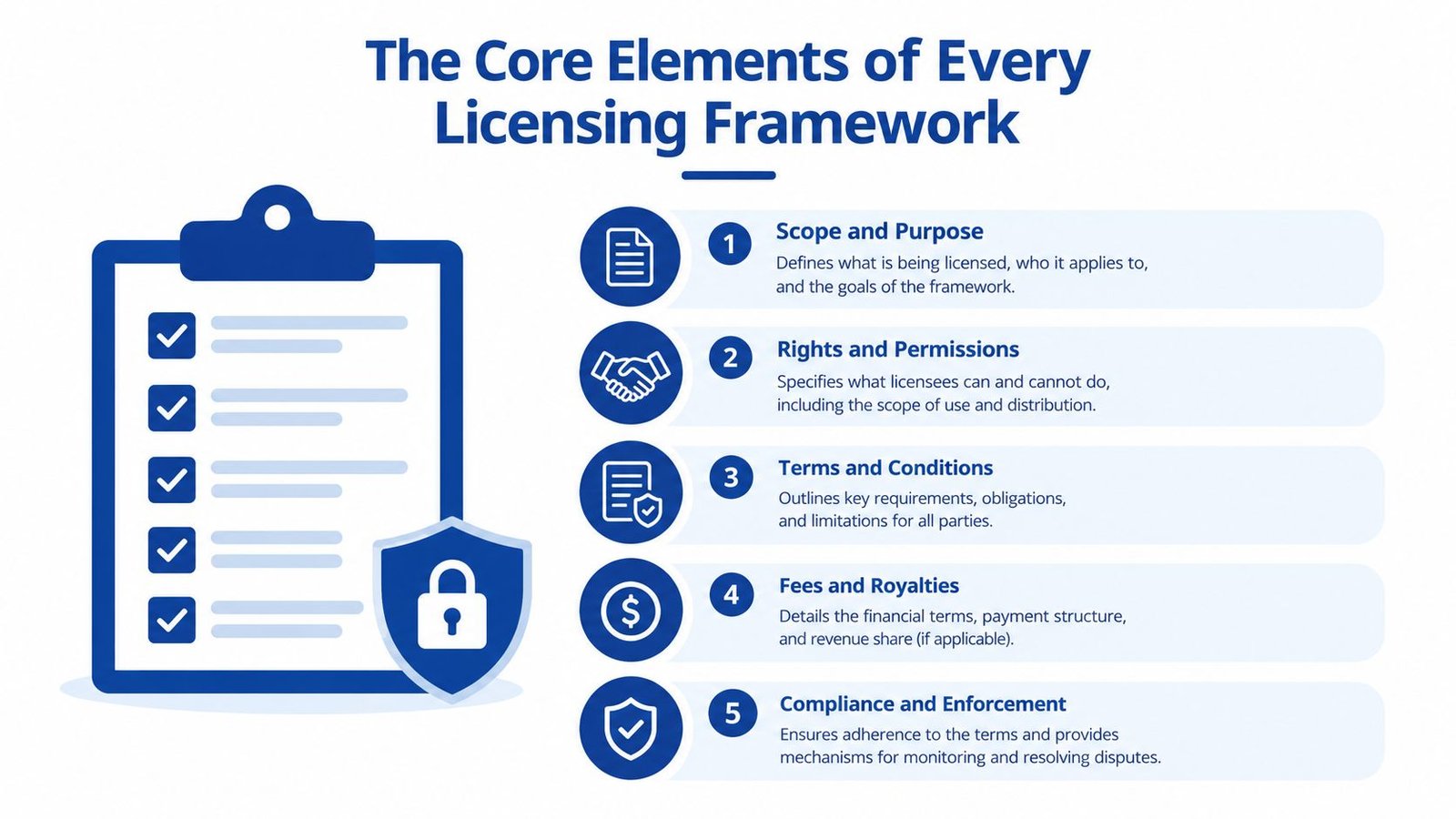
An internal comparison worksheet should record each item separately. The most important analytical move is to distinguish permission to enter from ability to operate. The former is established by the licence. The latter depends on people, systems, banking, controls, and evidence that the licence holder can meet its obligations every day.
United Kingdom Gambling Commission Requirements
The UK operates a point-of-consumption model. Any operator serving Great Britain needs authorisation from the UK Gambling Commission, regardless of where the company is incorporated, under the framework described in the European licensing analysis. The regime is built around the Gambling Act 2005, licence conditions, technical standards, and continuing social-responsibility duties.
The regulator examines the ownership structure, financial position, governance arrangements, customer funds, AML controls, responsible-gambling systems, and the suitability of people who manage the business. Personal Management Licence holders face fit-and-proper assessments, which means compliance responsibility attaches to named individuals as well as the corporate applicant.
Key operational controls
A UK-facing casino needs controls that connect customer activity to intervention and exclusion processes. GAMSTOP integration is central to national self-exclusion, while the Commission's Remote Technical Standards and Licence Conditions and Codes of Practice establish technical and social-responsibility expectations.
Affordability and financial-risk controls also require careful operational design. Deposit activity, customer risk, source-of-funds checks, safer-gambling interactions, and escalation records must work together. A policy document alone won't demonstrate effective control if the platform can't apply the intervention consistently.
| Parameter | UKGC Requirement |
|---|---|
| Market model | Point-of-consumption licensing for operators serving Great Britain |
| Main framework | Gambling Act 2005, licence conditions, technical standards, and social-responsibility requirements |
| Operator suitability | Corporate and individual fit-and-proper assessment |
| Player protection | GAMSTOP integration and safer-gambling controls |
| Technical oversight | Remote Technical Standards and continuing certification expectations |
| Commercial planning | Separate budgeting for application work, personal licensing, systems, testing, and ongoing reporting |
The UK is therefore a credibility-led market with a substantial compliance footprint. The licence decision shouldn't be based on the filing fee alone. Governance, customer-risk operations, technical assurance, and personal licence management become permanent cost centres once the operator goes live.
Malta Gaming Authority Licensing and Operational Setup
Malta remains a major European licensing hub, but its B2C authorisation doesn't grant permission to operate in every other European market. The Malta licensing cost and requirements guide records a €5,000 one-time, non-refundable application fee and annual fees that vary by revenue band.
The stated annual bands are €25,000 for annual revenue up to €5 million, €30,000 for revenue from €5 million to €10 million, and €35,000 above €10 million. Those figures should be kept separate from broader compliance costs, including corporate administration, testing, professional advisers, banking, and local personnel.
Licence scope and operating architecture
The MGA framework distinguishes B2C gaming service permissions from B2B critical supply activities. A B2C applicant must define the products and services it intends to offer, while a supplier may need a separate authorisation for critical gaming goods and services.
The application file typically requires more than a corporate certificate. Operators need to prepare ownership evidence, financial information, governance controls, AML procedures, responsible-gambling policies, technical documentation, and testing evidence. The operating model also matters. Malta requires an office in Malta, at least one shareholder, at least one Malta-resident director, two banking accounts, and functions including a compliance officer, internal auditor, and DPO, according to operational requirements for gambling-friendly jurisdictions.
| Licence Type | Application Fee | Annual Compliance Contribution | Typical GGR Band |
|---|---|---|---|
| MGA B2C application | €5,000 | Varies by revenue band | Up to €5 million, €5 million to €10 million, or above €10 million |
| MGA B2C annual licence | Not applicable after application | €25,000, €30,000, or €35,000 | Revenue-band based |
| B2B critical supply | Jurisdiction-specific assessment | Jurisdiction-specific assessment | Supplier activity based |
Malta's attraction lies in its established regulatory infrastructure, not merely the application charge. The practical question is whether the group can sustain the required local governance, banking, testing, reporting, and compliance functions. An MGA approval may support a broader international strategy, but it still needs to be paired with separate local permissions where national law requires them.
Sweden Spelinspektionen Licensing and Software Permits
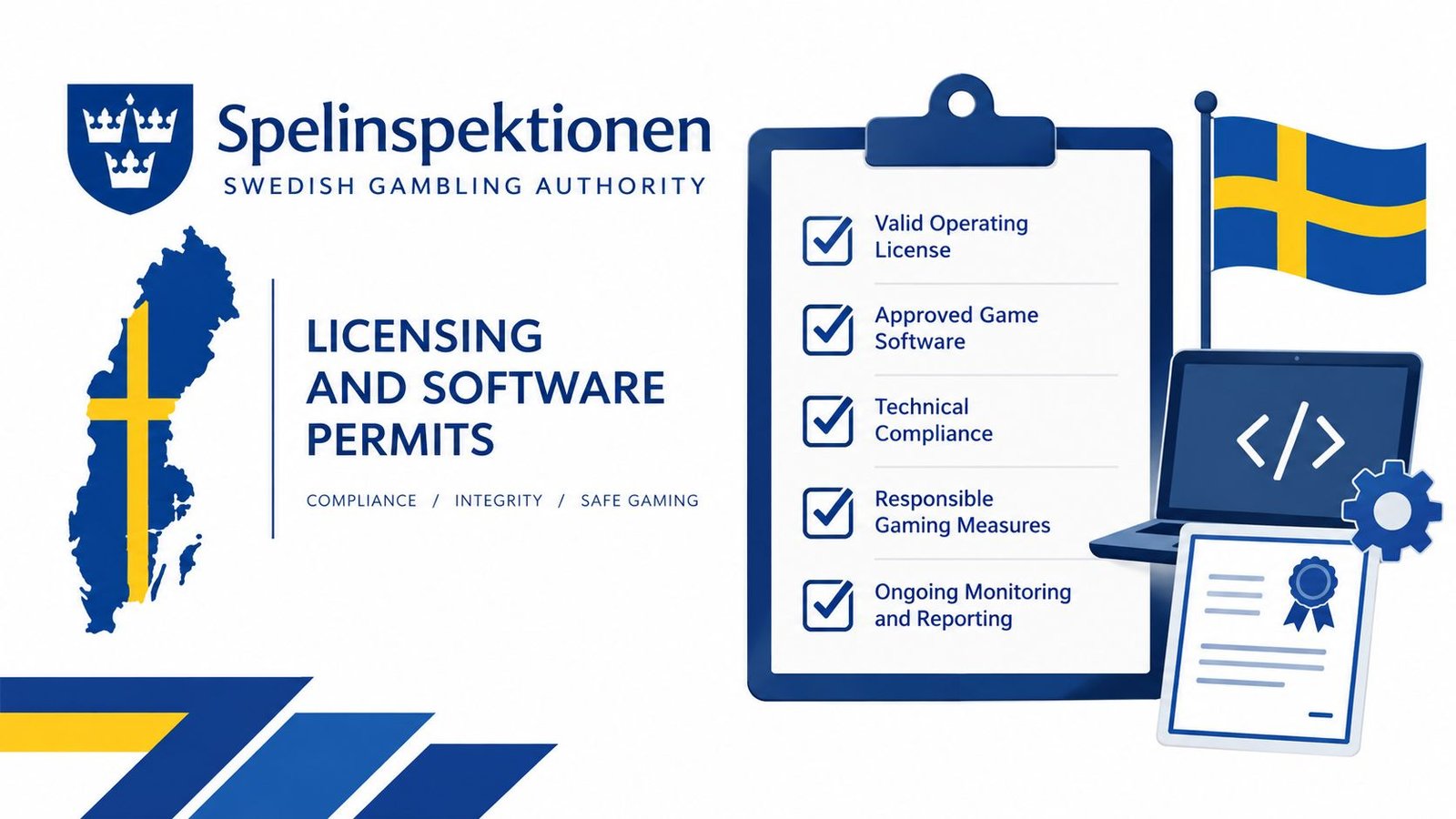
Sweden uses a technically granular licensing model. A commercial operator needs a domestic licence from Spelinspektionen to offer gambling for money, and a foreign B2C licence doesn't replace that approval. Since 1 July 2023, gambling software suppliers have also needed a separate B2B software permit, according to the Spelinspektionen application guidance.
The application must be made in writing, and documents must be translated into Swedish. That requirement has a direct effect on preparation time, legal review, and document-control processes. Suppliers, platform groups, and operators must map which entity supplies the relevant software and whether that entity falls within the permit requirement.
Fees are only one part of the Swedish model
Publicly reported benchmarks identify a SEK 230,000 application fee for an online gambling or betting licence and a SEK 120,000 application fee for a software permit. Annual supervision is SEK 240,000 per licence and SEK 16,500 per software permit, while gambling tax is 22% of GGR, as set out in the 2026 Sweden fee guide.
| Requirement | Swedish implication |
|---|---|
| B2C authorisation | Domestic Spelinspektionen licence required |
| B2B technology | Separate software permit for covered suppliers |
| Application language | Written applications and Swedish translations |
| Recurring supervision | Annual fee per licence and per software permit |
| Fiscal obligation | 22% GGR tax |
| Compliance planning | Budget must include language, certification, governance, and continuing supervision |
Sweden's structure exposes a common planning error. A group may budget for the operator application while overlooking the supplier permit, translation work, technical evidence, and recurring supervision. A workable Swedish launch plan must therefore include the entire product stack, not only the legal entity accepting player funds.
Spain DGOJ Dual Licence Structure Explained
Spain separates market access from product authorisation. The framework is overseen by the Dirección General de Ordenación del Juego under Ley 13/2011, and the market uses a dual structure of general and singular licences, as described in this Spanish licensing analysis.
A general licence establishes the authorised category and operating framework. A singular licence then authorises a specific game or activity within that category. The result is a staged approval model that can affect launch sequencing, product scope, technical delivery, and future expansion.
| Component | Coverage | Capital or Guarantee | Tax / Levy |
|---|---|---|---|
| General licence | Core category, platform, and market access | Capital and financial suitability reviewed | Applicable national gambling taxation |
| Singular licence | Specific game or activity | Separate financial security may apply | Depends on authorised activity |
| Player protection | RGIAJ exclusion-register integration | Operational controls required | Ongoing reporting and supervision |
| Technical operation | Certified systems and player records | Evidence of system integrity | Continuing compliance obligations |
Operators must also plan for Spanish-language customer support, identity verification, responsible-gambling limits, certified gaming systems, player-register auditability, and the RGIAJ exclusion register. Domain and customer-facing arrangements need to align with the Spanish regulatory environment rather than being copied from another market.
The dual licence model changes the commercial decision. An operator can't assume that securing a general authorisation automatically clears every casino product for launch. Product roadmaps should identify the singular permission needed for each planned vertical and reserve compliance capacity for changes to the group, platform, or ownership structure.
Netherlands Kansspelautoriteit and CRUKS Integration
The Netherlands regulates online gambling through the Kansspelautoriteit under the Remote Gambling Act. Market access depends on national authorisation and strong player-protection controls, not merely on an overseas licence.
The most visible operational requirement is CRUKS, the national exclusion register. Operators must check player status before play is allowed and connect their systems to the exclusion process. Registration, exclusion triggers, account controls, and records need to work in real time because a disconnected workflow can undermine the licence's central consumer-protection obligation.
Renewal is now a planning issue
The European Casino Association country reports state that the first Dutch licence terms expire on 30 September 2026. That date makes renewal preparation a current operational task for the affected cohort. Operators need to review financial evidence, governance, responsible-gambling controls, technical records, and any changes to ownership or platform arrangements before the renewal process becomes urgent.
| Parameter | Requirement |
|---|---|
| Regulator | Kansspelautoriteit |
| Legal basis | Remote Gambling Act |
| Player protection | CRUKS integration before play |
| Licence planning | Renewal preparation for the first cohort expiring on 30 September 2026 |
| Operational focus | Exclusion checks, record accuracy, financial scrutiny, and responsible-gambling controls |
The Dutch market demonstrates why a licence should be managed as a lifecycle. Initial approval is only one milestone. Renewal evidence, system performance, player-protection records, and corporate changes can determine whether the authorisation remains commercially useful.
Curaçao LOK Regime and the New Supplier Licence
Curaçao's regulatory model changed materially when the National Ordinance on Games of Chance, known as the LOK, came into force on 24 December 2024. The Curaçao Gaming Control Board online gaming information states that online gaming can't be offered in or from Curaçao without a licence under the new framework.
The regime also reaches beyond the visible B2C operator. Licensing control extends to entities that directly or indirectly control player databases and player transactions. That means a group must trace data, wallets, payment flows, platform access, and operational control across its corporate structure.
B2C and B2B exposure must be mapped separately
The framework introduces a separate supplier licence for critical gaming goods and services. The scope includes game suppliers, sportsbook settlement software, peer-to-peer software, and live studio suppliers.
| Licence Track | Scope | Target Holder |
|---|---|---|
| Direct online gaming licence | Online gaming operations and player-facing activity | B2C operator |
| Supplier licence | Critical gaming goods and services | B2B technology or content supplier |
| Group-level assessment | Control of player databases and transactions | Parent, affiliate, or controlling entity where applicable |
The practical consequence is structural diligence. An operator can't assume that its B2C authorisation covers a platform provider, live studio, game supplier, or group company controlling player transactions. Legal, compliance, technology, and data teams should produce a service map before the group selects an application route.
Curaçao therefore remains relevant to international structures, but the LOK framework makes direct regulatory exposure more explicit. A licence strategy that ignores suppliers and data controllers can leave a group with an incomplete compliance perimeter.
Emerging Markets Reshaping the Licensing Map
The 2026 licensing map is changing through new application windows and transition dates. Finland opened licence applications on 1 March 2026, with a €29,000 processing fee, while Ireland is moving remote betting operators and intermediaries into Gambling Regulatory Authority of Ireland licensing from 1 July 2026, according to the 2026 regulatory trends review.
New Zealand is also developing a new entry route. The framework includes a NZ$19,000 EOI fee, up to 15 licences, and a NZ$7.5 million capital threshold. These requirements make the market a constrained selection process rather than an open-ended licensing queue.
Timing changes the competitive calculation
New applicants need to assess more than the date on which an application portal opens. Geo-blocking, local language support, responsible-gambling messages, payment controls, identity verification, and national exclusion arrangements need to be ready before customer acquisition begins.
Finland's opening creates an opportunity for operators prepared to build the required controls early. Ireland's transition creates a different task, because businesses already active in the relevant categories need to understand how responsibility moves to the GRAI. New Zealand's limit on licences makes eligibility and capital planning decisive before the application is submitted.
Operators also need to avoid treating a new framework as a shortcut. Emerging regimes often create fresh technical guidance, transitional uncertainty, and evolving interpretations. Advertising teams can use PAGCOR gambling advertising rules as a separate reference point for the broader principle that market entry and promotion must be assessed together.
Compliance Burden Beyond the Headline Fee
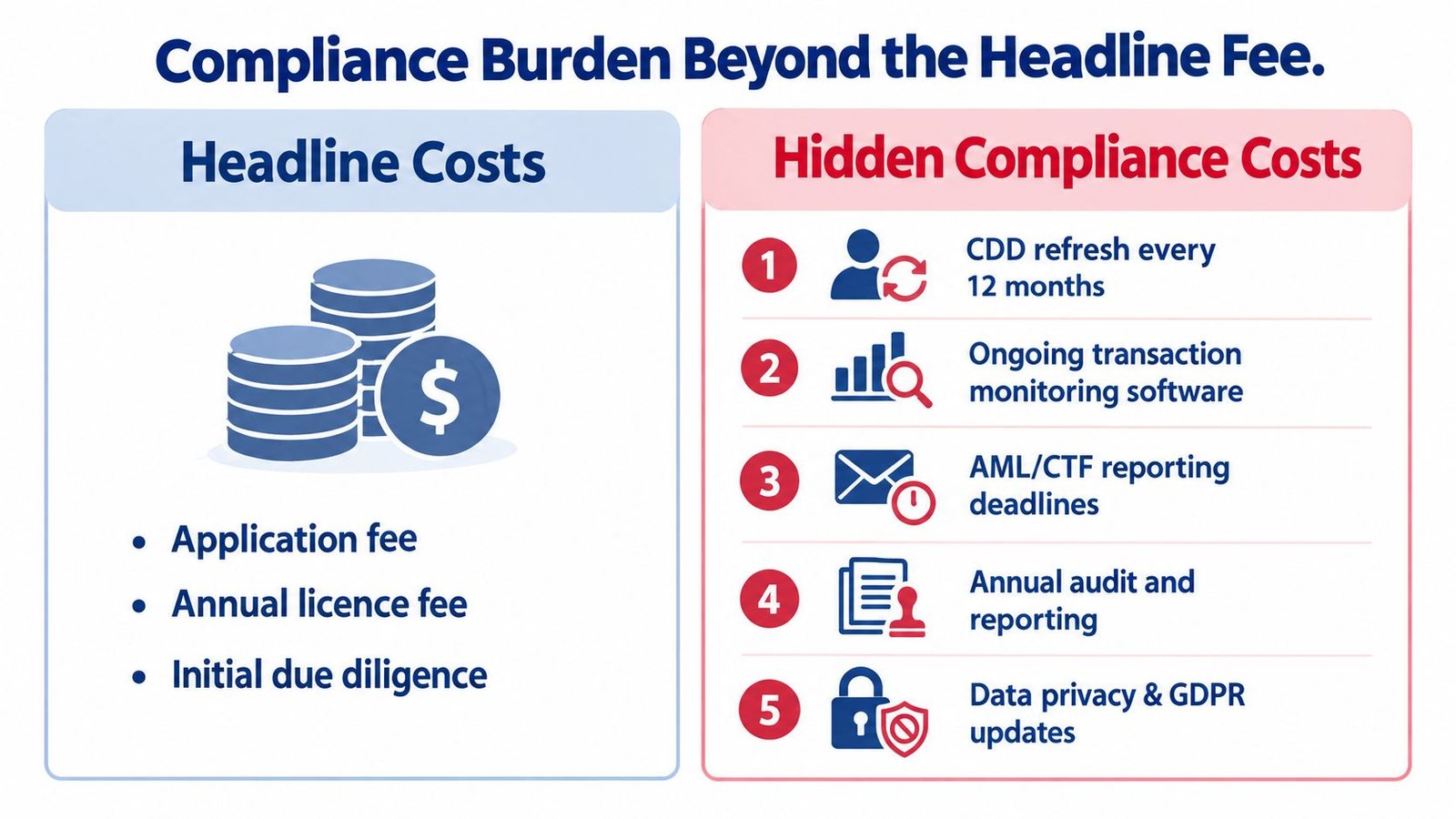
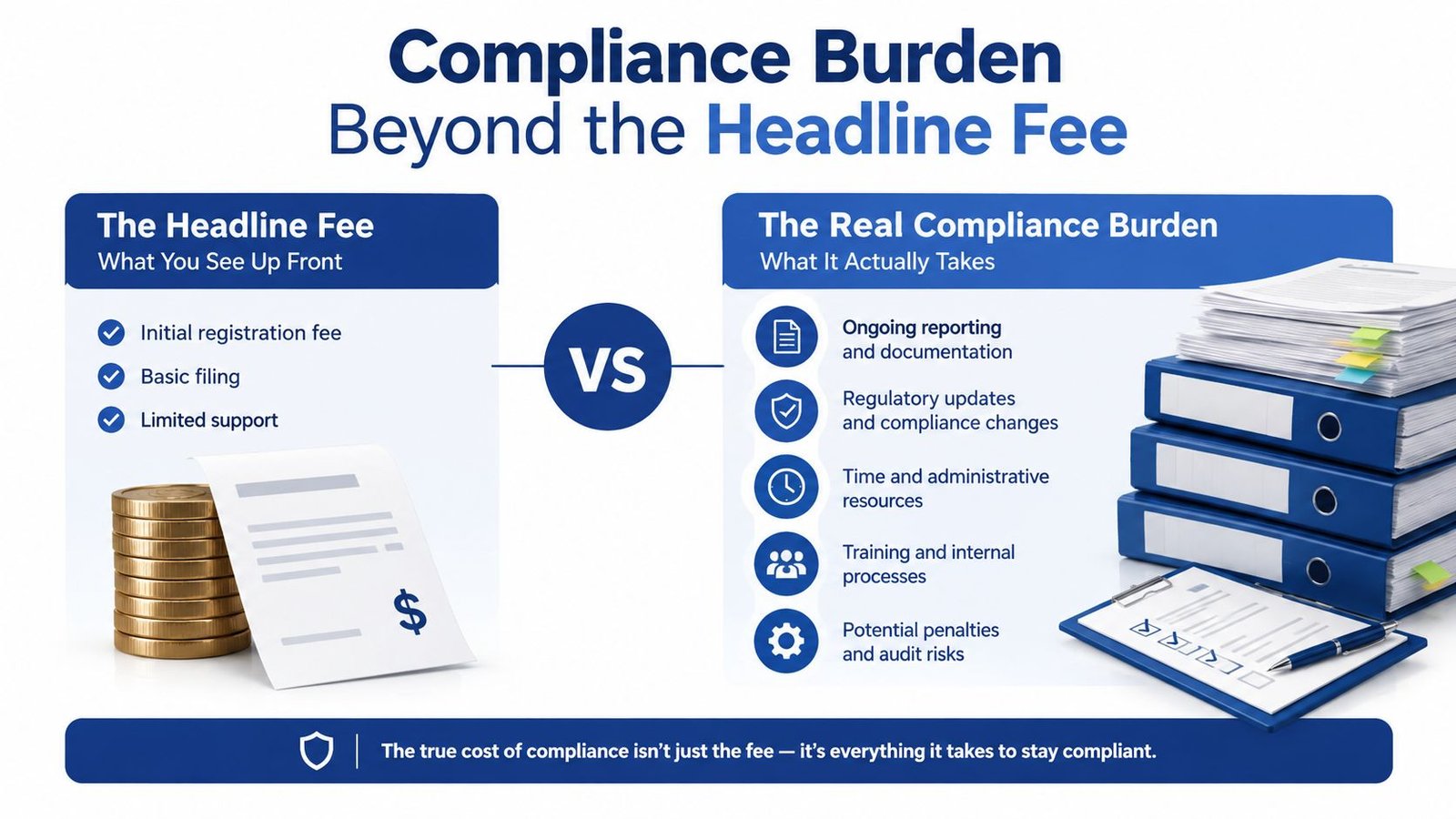
The licence fee is an entry line item. The core operating burden sits in recurring work, including customer due diligence, transaction monitoring, suspicious-activity escalation, responsible-gambling intervention, technical testing, regulatory returns, and key-person oversight.
A sound total-cost model should separate four workstreams:
- AML and financial crime controls: Customer-risk reviews, source-of-funds analysis, monitoring alerts, case management, and regulatory reporting need documented ownership and evidence.
- Responsible-gambling operations: Deposit controls, self-exclusion feeds, affordability responses where required, risk segmentation, intervention tools, and customer communications must operate together.
- Technical assurance: RNG, RTP, game-event, platform, and security testing may require accredited laboratories and recurring certification.
- Governance and reporting: Audits, financial returns, incident reporting, licence renewals, policy updates, and fit-and-proper reassessments continue after approval.
The operating model determines total cost
Local presence can require offices, resident directors, compliance officers, internal auditors, data-protection personnel, bank accounts, and locally suitable payment arrangements. Sweden's separate software permit and supervision charges show how a supplier can add regulatory cost even when the operator already holds its own authorisation.
The same analysis applies to Malta, the UK, the Netherlands, Spain, and Curaçao. Each market attaches different evidence to the licence, but all require a functioning control environment rather than a static application file.
Decision test: If the operator can't name the owner, system, evidence source, and reporting deadline for each obligation, the licence budget is incomplete.
The appropriate comparison is therefore total cost of ownership, not the cheapest application. Finance teams should model staff, testing, legal review, local infrastructure, banking, reporting, remediation, and renewal capacity before approving a jurisdiction.
Quick-Reference Comparison and Selection Guidance
The following table separates verified fee and tax information from areas where the available data should be treated qualitatively. “Not specified” means the verified material used for this guide doesn't establish a figure, not that the obligation is absent.
| Jurisdiction | Licence Type | Application Fee | Annual Fee | GGR Tax | Timeline | Local Presence | Barrier |
|---|---|---|---|---|---|---|---|
| United Kingdom | UKGC B2C | Not specified in verified data | Not specified in verified data | Not specified in verified data | Not specified | National authorisation required for Great Britain | High |
| Malta | MGA B2C and B2B permissions | €5,000 B2C application | €25,000, €30,000, or €35,000 by revenue band | Not specified in verified data | Not specified | Malta office, resident director, banking, and compliance roles | High |
| Sweden | Spelinspektionen B2C and B2B software permit | SEK 230,000 operator application, SEK 120,000 software permit | SEK 240,000 per licence, SEK 16,500 per software permit | 22% | Not specified | Domestic licensing and Swedish documentation | High |
| Spain | DGOJ general and singular licences | Not specified in verified data | Not specified in verified data | Not specified in verified data | Not specified | Spanish market controls and support requirements | High |
| Netherlands | KSA remote gambling licence | Not specified in verified data | Not specified in verified data | Not specified in verified data | Not specified | Dutch player-protection integration | High |
| Curaçao | Direct online gaming and supplier licences | Not specified in verified data | Not specified in verified data | Not specified in verified data | Not specified | Curaçao regulatory and corporate exposure depends on group structure | Medium to high |
| Finland | New national licensing route | €29,000 processing fee | Not specified in verified data | Not specified in verified data | Applications opened 1 March 2026 | Local controls and transition requirements to be assessed | Emerging |
| Ireland | GRAI remote betting licensing | Not specified in verified data | Not specified in verified data | Not specified in verified data | Transition from 1 July 2026 | Irish regulatory transition requirements | Emerging |
| New Zealand | EOI-based online casino route | NZ$19,000 EOI fee | Not specified in verified data | Not specified in verified data | New framework | Capital and eligibility threshold apply | Selective |
| Philippines | PAGCOR-related permissions | Not specified in verified data | Not specified in verified data | Not specified in verified data | Not specified | Local regulator approval required for relevant activity | Market-specific |
Matching the route to the operator
- Scale-first operators may prioritise the UK or Malta when they can support mature governance and ongoing assurance.
- Regulated-market specialists may assess Sweden and the Netherlands, where national player-protection and technical controls create substantial compliance work.
- Spain-focused groups should plan around the general and singular licence sequence before committing to a broad product roadmap.
- International B2B suppliers need to examine Curaçao's supplier track and identify every entity involved in platforms, content, software, data, and transactions.
- First movers can evaluate Finland, Ireland, and New Zealand, but should treat timing, eligibility, and transition rules as core investment risks.
A licensing proposal should answer five questions:
- Which countries will the operator serve, and does each require domestic approval?
- Which products will launch first, and do any need separate permissions?
- Which payment rails, banking relationships, and player-funds controls are required?
- Which people and compliance functions must be local or resident?
- Can the group fund an 18-month operational runway while licensing and controls mature?
Supplier groups can also review PAGCOR B2B accreditation fees when comparing how regulator-specific permissions affect technology economics. The strongest jurisdiction choice is rarely the one with the lowest headline fee. It's the one whose market access, product scope, control requirements, and operating model fit the group's actual capacity.
Operators preparing a 2026 market-entry plan should build a country-by-country licence matrix, validate every fee and transition date with the relevant regulator, and assign owners for AML, responsible gambling, technical assurance, finance, banking, and local governance before filing. A compliance adviser or internal regulatory team should then stress-test the model against renewal, supplier, data, and player-protection obligations so the chosen licence remains usable after launch.



Join thousands of gaming professionals receiving the latest iGaming news, regulatory updates, and market insights.
