

A Philippine gaming operator can have its corporate records ready, a platform in development, and commercial partners waiting, yet still discover that the intended licensing route is unavailable. At the same time, a game studio, payment provider, affiliate, or infrastructure vendor supporting an existing operator may face a direct accreditation deadline of its own.
That split defines the PAGCOR online gaming license requirements 2026 environment. Operator access remains constrained by a continuing moratorium on new online gaming site and application licenses, while PAGCOR has tightened oversight of B2B providers through direct accreditation requirements. The result is a market where the correct compliance strategy depends first on the applicant's role, not merely on whether the business operates online.
Table of Contents
- Introduction to PAGCOR Licensing in 2026
- What the PAGCOR Internet Gaming License Covers and Who Needs It
- Eligibility and Capital Requirements for Operators in 2026
- Required Documents Technical Standards and Compliance Controls
- Fee Schedule Deposits and Approval Timelines You Should Plan For
- How the Moratorium and Supplier Accreditation Reshape Market Access
- Step by Step Application Checklist and Common Pitfalls to Avoid
Introduction to PAGCOR Licensing in 2026
A foreign game supplier preparing to serve a Philippine operator may treat the operator's license as coverage for the full technology stack. In 2026, that approach can leave a regulatory gap. Gaming Content Providers, Gaming Affiliates, and Support Service Providers are expected to obtain their own accreditation instead of relying only on the operator's approval, as outlined in this 2026 PAGCOR regulatory update.
The operator's position is different. A company may satisfy corporate, financial, technical, and AML standards while lacking an available route to a new online gaming site or application license during the moratorium. The Philippine Daily Inquirer has reported that PAGCOR suspended new online gaming site and application licenses from March 2024. Legal commentary has also described a moratorium on new online or e-gaming operator licenses as of 2025.
The practical distinction matters: meeting the PAGCOR online gaming license requirements 2026 doesn't automatically mean a new operator can enter the market. It means the business may be prepared for the applicable pathway, subject to PAGCOR's current licensing position.
The two compliance layers
Read the 2026 framework as two connected layers with different decision points:
- Operator licensing: Permission for an eligible entity to conduct regulated gaming activity, subject to corporate, site, technical, and financial controls.
- Supplier accreditation: Direct regulatory approval for B2B providers supporting regulated gaming activity.
A white-label structure does not remove the separation. The brand, platform owner, game provider, payment service, affiliate, and support provider should each undergo role-based due diligence. Accreditation may apply to several of them, depending on the services supplied and the applicable PAGCOR category.
This creates different next steps. An existing operator should review its supplier chain and confirm that each provider has the required status. A new entrant should check whether its intended operator route is open before spending heavily on launch preparation. A foreign B2B provider should map its Philippine-facing services and accreditation obligations before signing a commercial arrangement.
Who should use this guide
Operators can use the requirements to test corporate and site readiness, then verify that the intended license category remains available. Suppliers should match every service to the accreditation perimeter and ensure that their operator clients do not create an unapproved supply chain.
The Philippine online casino and PAGCOR market overview offers further market context. Compliance decisions should still follow the applicant's exact role, approved operating perimeter, and current PAGCOR instructions.
Practical rule: Separate “can meet the requirements” from “can obtain the permission now.” They are different regulatory questions.
What the PAGCOR Internet Gaming License Covers and Who Needs It
A business may have a gaming brand, a platform, and several suppliers ready to launch, yet still lack the permission to operate. A PAGCOR Internet Gaming License defines the approved operating perimeter. It connects the legal entity with the registered site, systems, data, testing, AML controls, and network restrictions. It is not a general approval for every activity linked to the business.
PAGCOR's Internet Gaming License Requirements call for evidence of corporate formation, an operating site, technical documentation, security measures related to performance, AMLC registration, and controls that provide regulatory access to operational information. The result is a compliance framework covering corporate structure, premises, finances, anti-money-laundering processes, and system security.
Three permissions that should not be confused
An Internet Gaming License applies to the licensed operator and its approved operating environment. It does not, by itself, authorize an independent supplier to serve the regulated market.
B2B accreditation applies to a supplier or service provider supporting PAGCOR-regulated gaming. A platform vendor, gaming content provider, affiliate, or support provider must assess its own status. The operator's license does not automatically cover those services.
An eGames station permission relates to a different model involving electronic gaming stations. Its site and financial conditions cannot replace the criteria for an Internet Gaming License.
Each permission answers a separate question:
- Who may operate?
- Where may the activity take place?
- Which technology and service providers may participate?
- What records and controls must be available to PAGCOR?
Why site and systems controls matter
The license follows an approved location and controlled technical environment. It should therefore be managed like a defined map, not a portable corporate certificate. A change to the site, platform, data architecture, or vendor chain may alter that map and require regulatory review.
PAGCOR must be able to examine the operating environment, not only review application documents. The applicant must support back-office data viewing and extraction, independent testing, IP blocking, AMLC registration, and inspection before operations begin. These controls connect the legal entity to the live system handling gaming activity.
For an existing licensee, the practical review is whether ownership, site control, system integrity, geo-fencing, reporting, and AML oversight still match the approved perimeter. A new entrant should test that chain before committing launch resources. A white-label operator should separate brand, operator, platform, content, payment, affiliate, and support responsibilities. A foreign B2B provider should identify which Philippine-facing services may require accreditation.
A document-only answer will not suffice if the live environment differs from the application.
Eligibility and Capital Requirements for Operators in 2026
A new operator can have a strong platform and still fail at the first licensing gate if its corporate structure, capital, or premises do not match the approved requirements. In 2026, eligibility should be checked before technical buildout or launch planning begins.
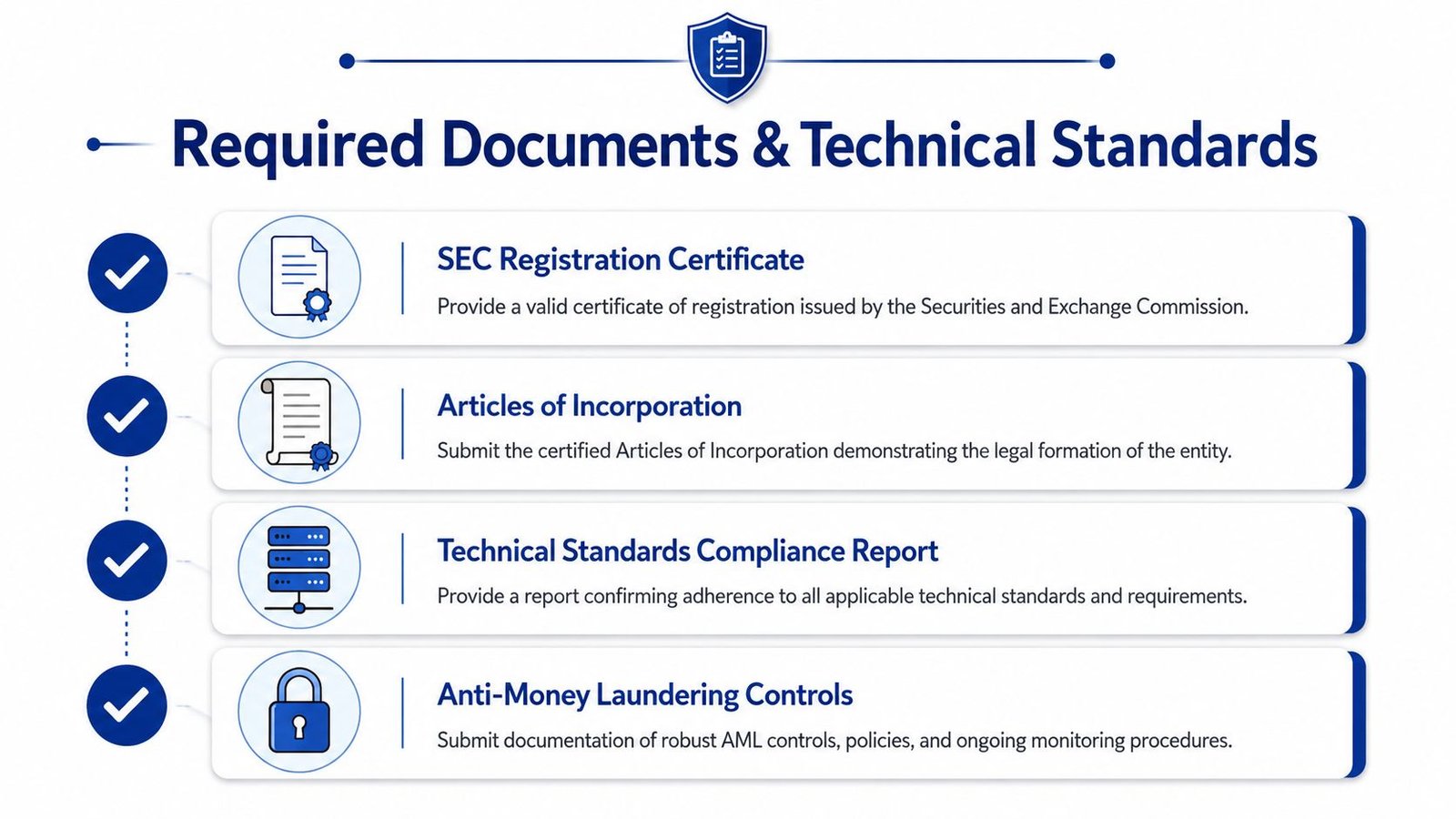
PAGCOR's licensing package requires at least PHP 100 million in authorized capital stock and PHP 25 million in paid-up capital, as stated in the PAGCOR electronic gaming regulatory information. These figures serve different purposes. Authorized capital is the maximum amount the company may issue under its structure, while paid-up capital is the amount already contributed. A large authorized figure does not replace proof of the required paid-up amount.
The site is part of eligibility
The operating premises must be non-residential and have a maximum floor area of 25,000 square meters, according to the official Internet Gaming License application requirements. Where no local ordinance addresses the activity, the application may also need a local letter of no objection.
Treat the approved site like a boundary on a map. Moving operations, adding a technical room, or placing a key operational unit beyond that boundary can require further review. Real estate decisions therefore belong in the licensing plan, rather than being left until after approval.
A practical readiness test
Before investing in the full application package, confirm four points:
- Corporate form: Do the SEC registration, Articles of Incorporation, and By-Laws support the proposed gaming activity?
- Capital position: Can the company document the required authorized and paid-up capital clearly?
- Location: Is the site non-residential, within the floor-area limit, and supported by the relevant local clearance?
- Expansion plan: Will any future office, technical room, or operational function sit outside the approved address?
A failed answer can create an eligibility blocker before technical materials are ready.
The 2026 market also requires separate analysis for suppliers. An existing operator should reassess its approved corporate and premises perimeter. A new entrant should resolve capital and site questions first. A white-label arrangement should identify which entity is the licensed operator and which parties provide the brand, platform, payments, content, affiliates, or support. A foreign B2B provider should assess whether its Philippine-facing services require accreditation and review the PAGCOR B2B provider application process. Supplier accreditation does not substitute for an operator license.
Required Documents Technical Standards and Compliance Controls
PAGCOR's application package is designed to show that the proposed operation exists in a controlled environment. Corporate documents establish legal identity, while technical and compliance evidence demonstrates that the business can operate transparently after approval.
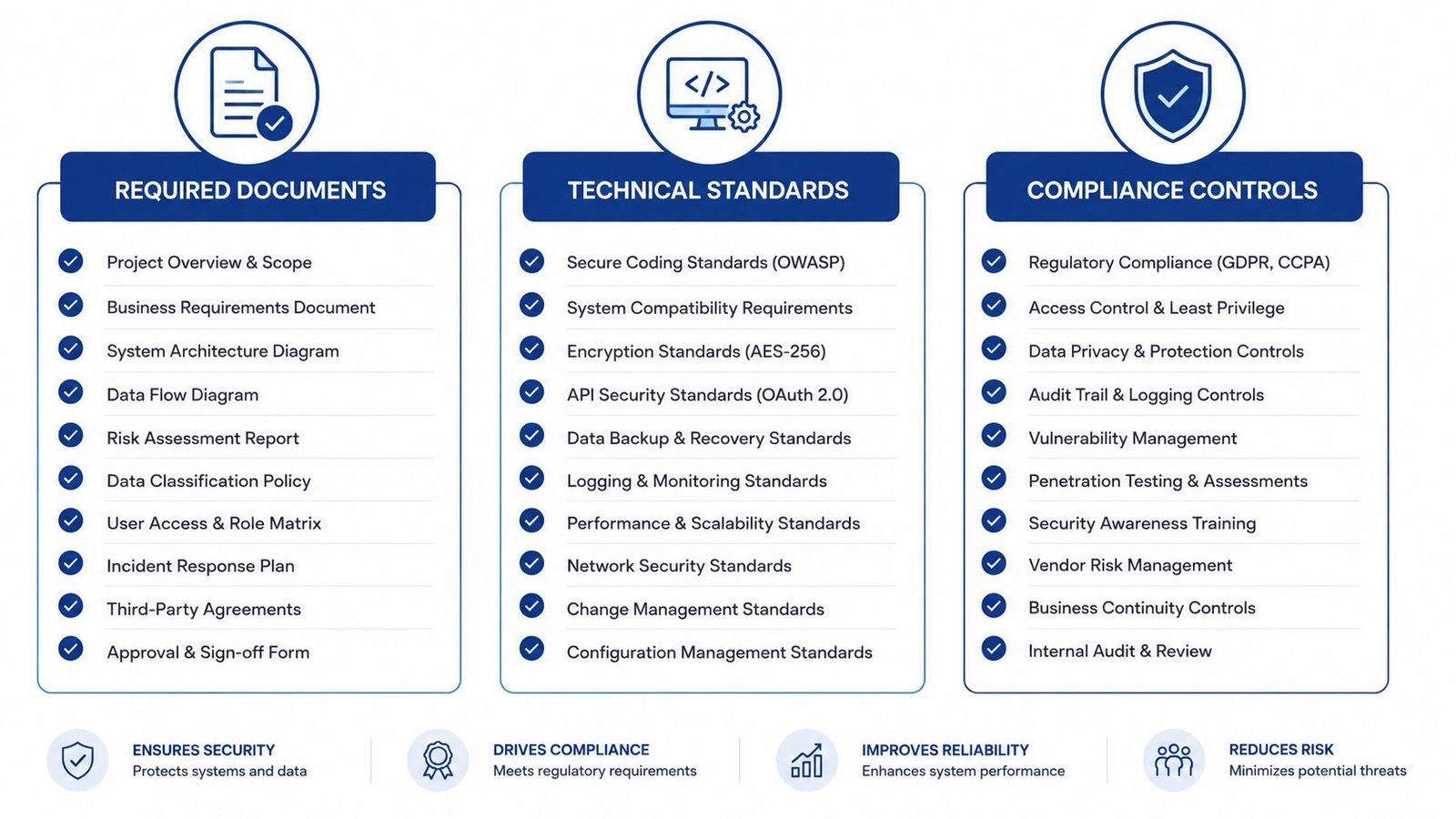
The documentary file includes SEC registration, Articles of Incorporation and By-Laws, a letter of intent, notarized forms, and compliance filings. The applicant must also address performance bond posting, AMLC registration, the operating site, and the technical arrangements that allow PAGCOR to inspect and extract back-office data.
Evidence must match the live operation
A common weakness in regulated applications is treating policies as standalone files. A written AML policy has limited value if the platform can't support the controls described in it. Likewise, a testing certificate can't cure a production environment that differs materially from the system assessed by the independent laboratory.
The technical package should demonstrate:
- Independent testing: A recognized independent laboratory must certify testing and fairness of the betting system.
- Data access: PAGCOR must have onsite access for viewing and extracting back-office data.
- Geo-fencing: All Philippine IP addresses must be blocked, except for one address designated by PAGCOR.
- Security assurance: The system must be demonstrably secure, auditable, and capable of supporting regulatory review.
- Inspection readiness: The applicant must be prepared for pre-commencement inspection before operations begin.
These controls work together. IP blocking limits access, independent testing addresses system integrity, data extraction supports oversight, and inspection verifies that the submitted design reflects the installed operation.
AMLC registration and operational accountability
AMLC registration is not an administrative afterthought. It places the operator within the anti-money-laundering control environment and reinforces the need for documented governance, escalation procedures, and evidence of operational implementation.
Vendor governance also belongs in this review. If a platform, content supplier, payment provider, affiliate, or support service falls within the B2B perimeter, the operator should verify the provider's accreditation position before launch or continued use. Guidance on the PAGCOR gaming system administrator requirements can help teams distinguish system administration responsibilities from the operator's broader license obligations.
Audit principle: The strongest application file is the one that a reviewer can trace from legal document, to policy, to system setting, to test result, to extractable evidence.
Fee Schedule Deposits and Approval Timelines You Should Plan For
An operator can have its own application ready while a key supplier is still waiting for accreditation. That split defines financial planning in 2026. Budgeting must cover application costs, capital or security requirements, supplier deposits, and the possibility that a technology partner cannot remain available to the regulated operation.
The clearest supplier obligation is the PHP 1 million performance cash deposit for Game Content Providers, identified in the 2026 PAGCOR regulatory update. Operators should account for this requirement during vendor due diligence and contract negotiations. It may affect which providers can support launch, how security obligations are allocated, and whether the supplier has sufficient treasury capacity.
For eGames stations, PAGCOR's citizen's charter requires an original bank certification showing PHP 3,000,000 per game offering under the applicant's name, together with at least PHP 5,000,000 in authorized capital stock, according to the Gaming Site Regulatory Manual for Electronic Games.
PAGCOR 2026 Key Financial Thresholds by Licence Type
| Licence or Accreditation Type | Capital or Deposit Requirement | Purpose and Impact |
|---|---|---|
| Internet Gaming License | PHP 100 million authorized capital stock and PHP 25 million paid-up capital | Establishes the operator's required capital structure and affects corporate readiness. |
| Game Content Provider accreditation | PHP 1 million performance cash deposit | Provides financial assurance and affects supplier entry planning and vendor governance. |
| eGames station application | PHP 3,000,000 per game offering in bank certification and PHP 5,000,000 authorized capital | Connects station approval with documented financial capacity for each offering. |
Dates that control supplier planning
The 2026 framework required covered Gaming Content Providers, Gaming Affiliates, and Support Service Providers to submit accreditation applications by March 31, 2026. Companies applying by December 31, 2025 could qualify for an initial three-year accreditation term, while suppliers had until July 31, 2026 to complete mandatory accreditation. Non-compliant suppliers could face system shutdown or removal from the regulated ecosystem from August 1, 2026.
These dates should become internal procurement controls, not calendar reminders. Suppliers need document owners, deposit funding, and submission checkpoints. Operators should verify accreditation status before approving a provider, renewing its contract, or placing its systems into production.
The PAGCOR B2B accreditation fees overview can support budget discussions. Each applicant should still confirm the applicable requirements directly with PAGCOR.
How the Moratorium and Supplier Accreditation Reshape Market Access
The central 2026 market-access problem is that operator licensing and supplier accreditation are moving in different directions. PAGCOR has continued to restrict new online gaming site and application licenses, while the regulator has tightened direct oversight of suppliers supporting licensed gaming activity.
That creates four distinct business scenarios.
Existing licensees
An existing operator should treat supplier accreditation as a live operational dependency. Its current permission doesn't remove the need to review whether its game providers, affiliates, support services, platform vendors, and other covered providers have completed the required accreditation process.
The operator's practical exposure is commercial as well as regulatory. A supplier that can't remain in the regulated ecosystem may become unavailable even if the operator's own license remains valid.
New operator entrants
A new entrant shouldn't assume that a complete application package creates an immediate route to market. The continuing moratorium means the first decision is whether the proposed operator category is currently accepting new applications, not whether the company can assemble the technical file.
Capital investment, site leases, platform contracts, and staffing should be staged around that uncertainty. A business may need to evaluate partnerships with existing licensees rather than plan around a fresh operator license that isn't presently available.
White-label partners
A white-label model can distribute commercial responsibilities, but it doesn't eliminate regulatory mapping. The parties should identify who owns the licensed operation, who controls the platform, who supplies games, who handles support, and which entity performs affiliate or payment functions.
Boundary test: If a party materially supports regulated gaming, its role should be assessed independently rather than hidden inside a commercial services agreement.
Foreign B2B providers
A foreign provider may support a Philippine operation without becoming a Philippine operator. That distinction may preserve a viable supplier pathway, but it doesn't remove the need to assess direct accreditation, technical evidence, AML controls, and regulatory access.
The key risk is being compliant in one layer and blocked in another. An operator may hold a valid authorization but rely on an unaccredited supplier. A supplier may be ready for accreditation but lack a licensed operator client. Market access therefore depends on the whole chain, not one approval document.
Step by Step Application Checklist and Common Pitfalls to Avoid
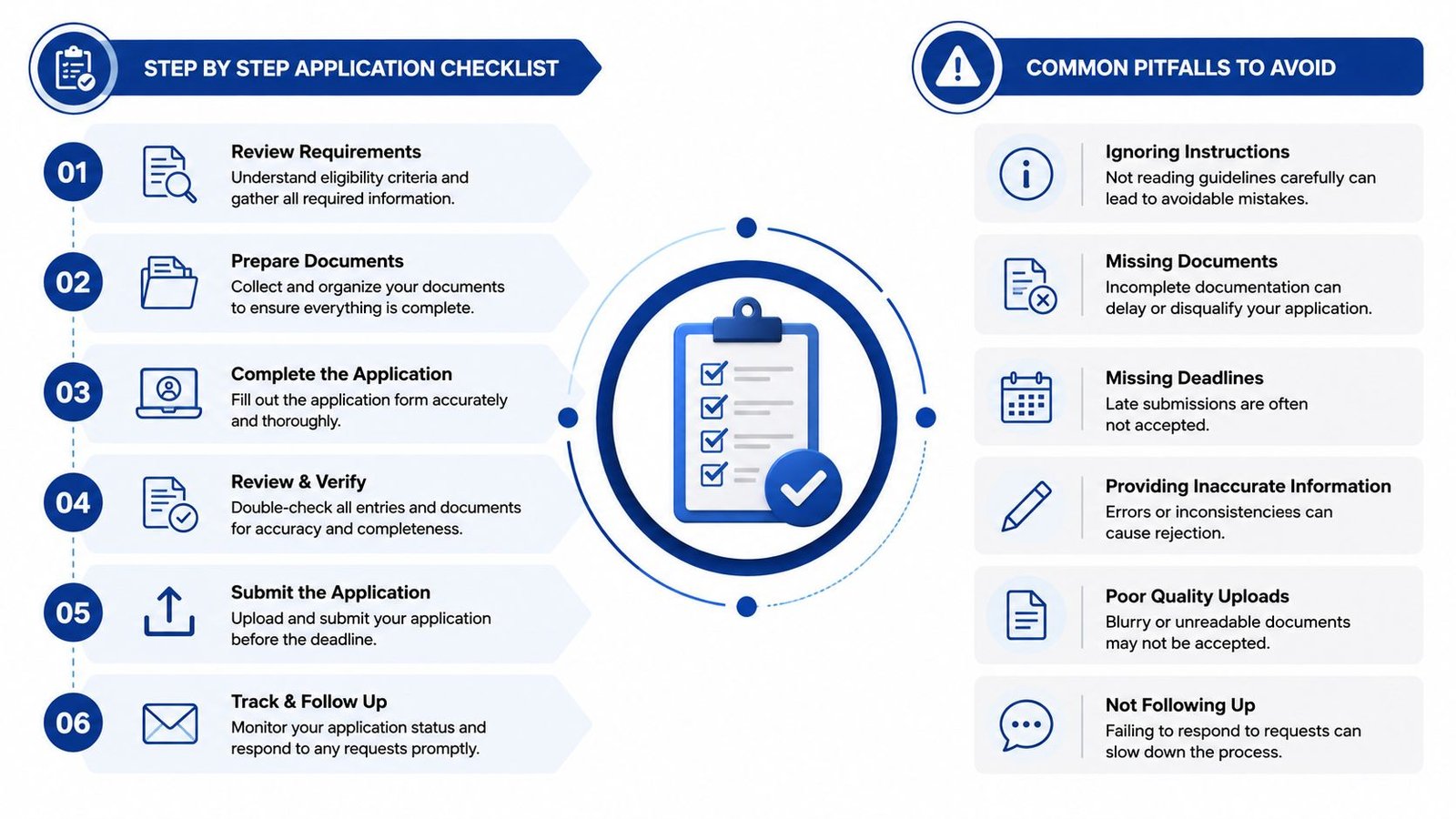
A sound application sequence follows dependencies. Corporate structure should be stable before the site and technical package are finalized, and the system should be tested only after the configuration subject to approval is sufficiently defined.
Prepare the legal and physical foundation
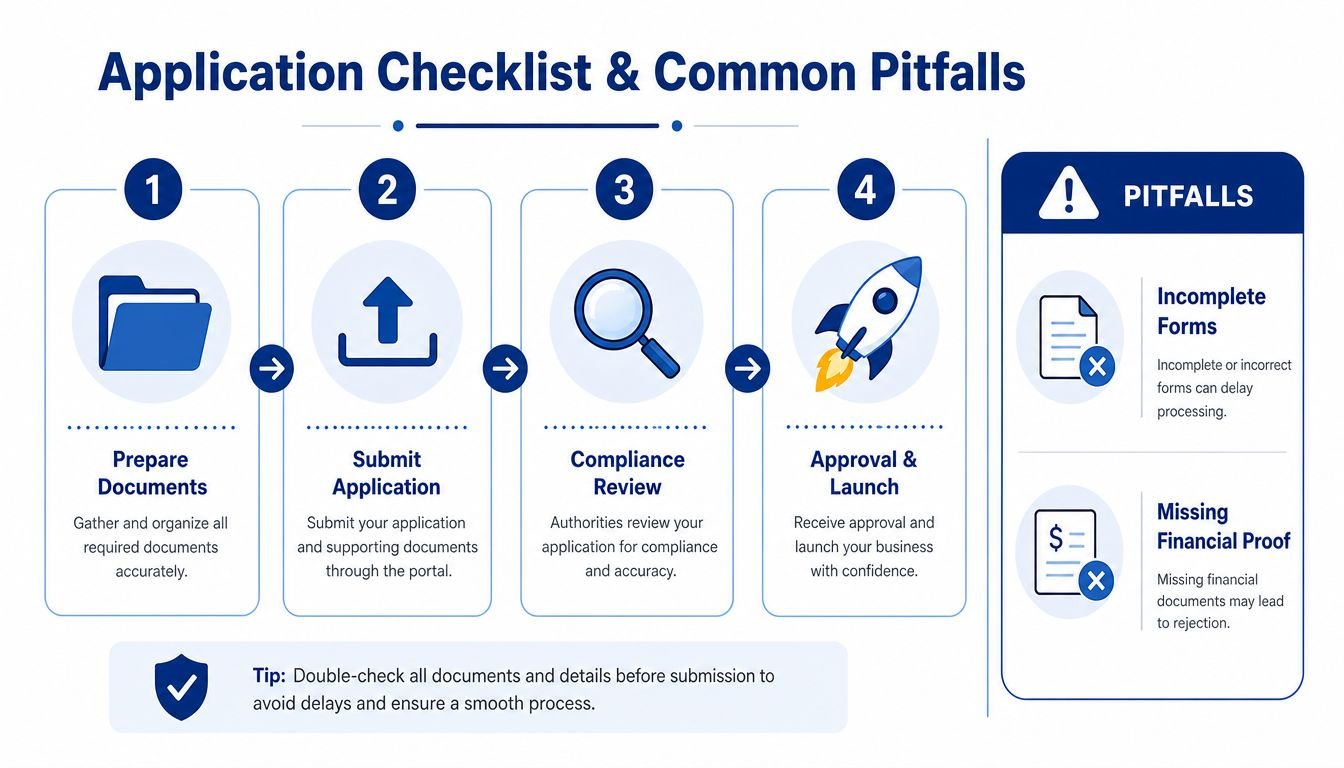
Start by confirming the entity's SEC records, Articles of Incorporation, By-Laws, capital structure, ownership information, and intended gaming activity. The proposed site should then be checked against the non-residential rule, the floor-area cap, the registered address requirement, and any local letter of no objection.
Address changes create avoidable risk. If the site changes after technical design, testing, or submission, the application may no longer describe the environment PAGCOR is expected to review.
Assemble the evidence package
The team should compile the letter of intent, notarized forms, compliance filings, performance bond evidence, AMLC registration, independent laboratory materials, and technical documentation. The file should be internally reconciled so that names, addresses, ownership details, system descriptions, and operating policies don't conflict.
A useful gate review asks whether every important policy has a corresponding operational control. If the application describes back-office access, geo-fencing, or reporting, the team should be able to demonstrate those functions rather than merely describe them.
Validate technology before submission
Independent testing should cover the betting system and its fairness, security, and auditability. The applicant should also confirm that the production configuration supports PAGCOR's required access to back-office data and that Philippine IP addresses are blocked except for the designated PAGCOR address.
Supplier status belongs in this gate. The operator should maintain a current register of providers and flag any service that may require direct accreditation. The 2026 PAGCOR B2B accreditation checklist can help compliance teams organize that review.
Common failure points
- Incomplete forms: Reconcile notarized documents, corporate records, and declarations before filing.
- Missing financial proof: Match capital evidence, bank certification, and deposit records to the correct applicant and permission type.
- Unfinished AMLC evidence: Confirm registration and operational controls, not just policy ownership.
- Unaligned laboratory reports: Ensure the tested system matches the system proposed for launch.
- Unapproved site changes: Freeze the operating address during review unless PAGCOR confirms the proper process.
- Non-accredited suppliers: Review every material provider before signing off on launch readiness.
A final pre-commencement inspection should be treated as a live demonstration of the application, not a ceremonial step. Compliance teams should assign owners for documents, systems, vendors, site access, and regulator responses, then retain an evidence trail showing how each requirement was satisfied.
Operators and suppliers should now map their exact role, verify the current PAGCOR pathway, and conduct a documented gap assessment against the applicable 2026 requirements. For continuing coverage of Philippine gaming regulation, supplier accreditation, licensing, and global iGaming intelligence, follow Top 1 Rank at instaplayph.com.




Join thousands of gaming professionals receiving the latest iGaming news, regulatory updates, and market insights.
